

Match winner
No draw exists in tennis, so this is the cleanest binary market on the board. Both prices move on every point once the match is under way.
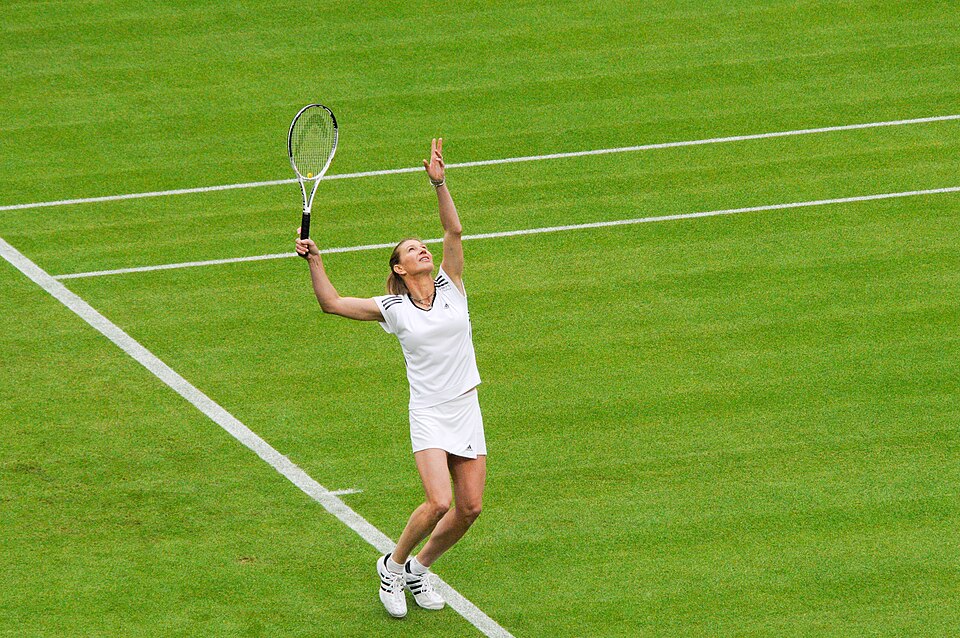
Grand Slams, ATP & WTA
Tennis has no draw and no timer, which makes it the cleanest two-way market on the FairPlay board. It also has a scoring system that turns tiny advantages into lopsided results — win 55% of points and you win around 91% of matches. Below: how that works, how retirements settle, and what a single break of serve does to a price you are already holding.
Live & Upcoming
Matches in play and starting shortly, priced both ways. Times are IST.
Prices shown are illustrative
Min 100 · Max 50,000
Min 100 · Max 50,000
Min 100 · Max 25,000
Min 100 · Max 1,00,000
Min 100 · Max 20,000
Why Prices Look Extreme
Tennis does not add points up. It converts them into games, games into sets and sets into matches, and every conversion magnifies whatever advantage was there.
| Points won | Service games | Sets | Best-of-3 | Best-of-5 |
|---|---|---|---|---|
| 50% | 50.0% | 50.0% | 50.0% | 50.0% |
| 52% | 55.0% | 64.0% | 70.5% | 74.9% |
| 53% | 57.5% | 70.5% | 79.0% | 84.3% |
| 55% | 62.3% | 81.5% | 91.0% | 95.3% |
| 60% | 73.6% | 96.3% | 99.6% | 99.9% |
Two points in every hundred is worth a 70% match price. Read the 52% row: a player barely ahead on points wins seven matches in ten. By 55% they are winning nine in ten. This is the single most useful thing to understand about tennis pricing — a match that looks close on paper can honestly carry a very short price, and a 6-1 6-2 scoreline usually means one player edged the points rather than dominated them. The figures come from a simplified even model and are there to show the shape of the effect, not to price a real match.
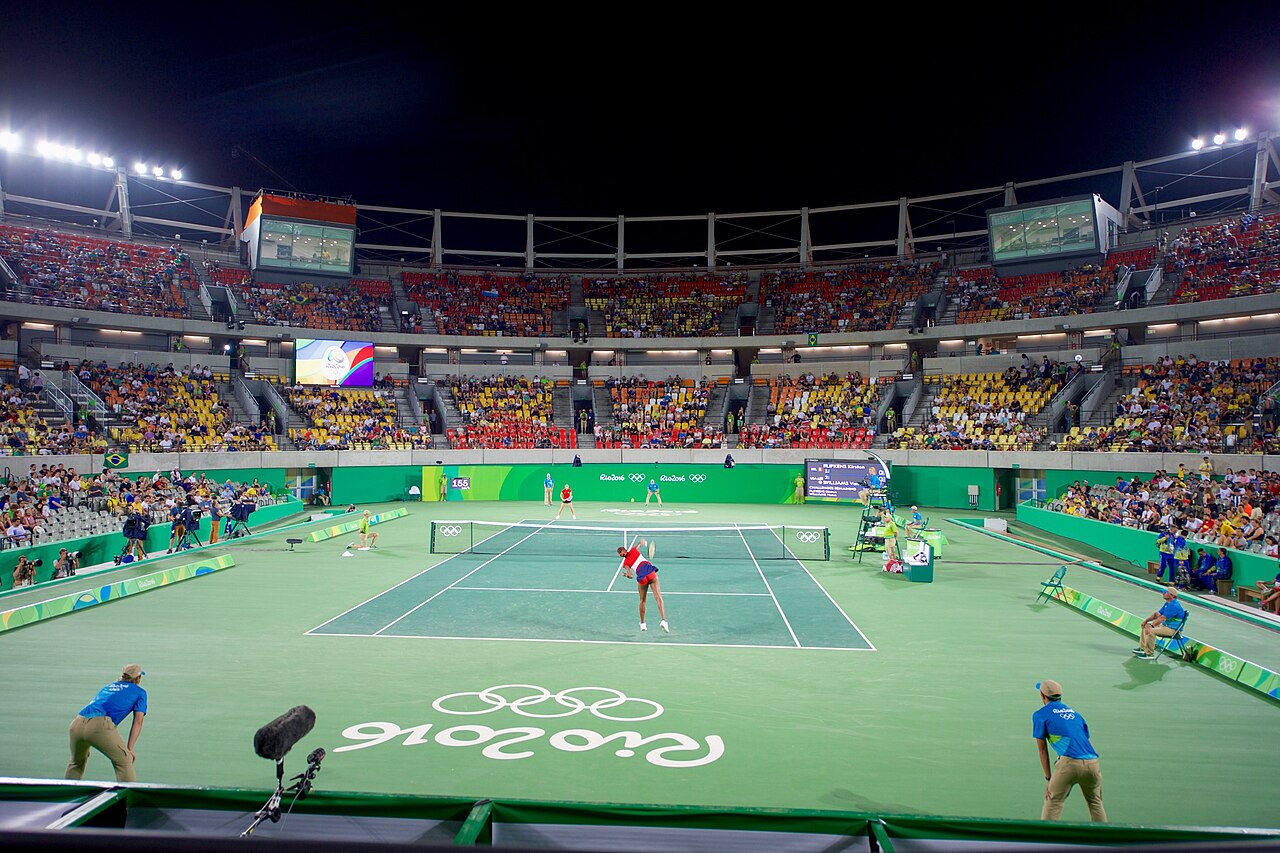
Markets
Forty-plus markets on a main-draw match, from the straight two-way price to game handicaps and set scores.
No draw exists in tennis, so this is the cleanest binary market on the board. Both prices move on every point once the match is under way.
2-0 or 2-1 in a best-of-three, out to 3-2 in the men's slams. Longer prices than the match winner and the value tends to sit in the deciding-set outcomes.
Over or under a line for the whole match. A serve-dominated matchup on a quick court pushes this up; a grinding baseline contest on clay drags it down.
A start in games for the underdog, which lets you take a side in a match where the outright price is unattractively short.
Prices refresh at every changeover and after every point. A single break of serve moves the match market more than almost any event in any sport.
Full markets on doubles draws at the slams and the tour events below them, including the events where Indian pairs have historically been strongest.
The Calendar In IST
Two of them are comfortable viewing from India and one of them really is not. Worth knowing before a fortnight of late nights.
Melbourne is only four and a half hours ahead, which makes this the one slam an Indian viewer can watch comfortably. Day sessions start around 5:30 AM and the night session finishes in the afternoon here.
Paris play begins mid-afternoon IST and night-session matches on the main court can run past midnight. Clay produces the longest matches of the year, so totals lines sit noticeably higher.
The friendliest European slam for India. Play starts mid-afternoon here, and the 11:00 PM local curfew means matches cannot run indefinitely into your night.
New York is the hard one. Day sessions begin late evening IST and night-session finals can end well after sunrise here, which is worth planning around rather than discovering at 4:00 AM.
Getting Started
If you have never used a betting exchange before, this is the whole process end to end.
Tennis has no draw, no timer and no way to protect a lead by slowing the game down. A player two points from defeat is exactly as capable of winning as they were an hour earlier, which is why in-play prices in tennis swing harder than in almost any other sport on the board.
Vinod runs the counter at a tyre shop in Nagpur and gets home a little after eight. On this particular Tuesday in the first week of Wimbledon, dinner is cleared by nine, the television is on with the sound down, and nobody else in the flat cares who wins. His phone is propped against a water bottle on the arm of the sofa with the FairPlay tennis board open, and his cousin has already run three messages ahead of the match in the group chat.
He backed the favourite before the first ball for ₹300. He remembers the price because he screenshotted it for the chat. Then the favourite gets broken serving at 4-4 in the second set, and when Vinod looks down again the number he screenshotted has gone. The player has not changed. He is the same man he was ninety seconds earlier, hitting the same forehand. One game went the wrong way and the market has reconsidered the entire evening.
That reaction is not the market losing its head. It is the table above doing its arithmetic in public. A goal in the thirtieth minute of a football match still leaves an hour and a draw on the table. A break of serve in the middle of a set removes almost the only road back, because the player now has to break in return, and breaking is the rare event rather than the ordinary one. The price does not drift in tennis. It jumps.
Vinod had two honest options at that moment and one bad one. He could hold the bet and accept that his ₹300 was now riding on a break-back that might never arrive. He could lay the same player at the new price and take a smaller certain loss instead of the full one — the arithmetic of that hedge depends entirely on the two prices involved, so if his entry was 1.44 and the drift had carried it to, say, 2.10, laying enough to cover the original return leaves him out of pocket but out of the match. The bad option is the third: doubling the stake at the longer price because a longer price feels like a discount. It is not a discount. It is the market saying something has changed.
He held. The break-back came at 5-4 down, the set went to a tiebreak, and he spent the next forty minutes learning that watching a tiebreak with money on it is a different experience from watching one without. The useful part is what he did the following week, which was decide his position before the drift rather than during it. On a two-way market, a break against you is a known possibility rather than a shock. Working out in advance what you will do when it happens is worth more than any read you have on the two players.
At professional level, holding serve is the default and breaking is the event. That means a single break of serve usually decides a set, and the match price reacts accordingly — a break in the first game can move a market further than a goal does in football, where there are still ninety minutes and a draw available.
It also means the interesting moments are predictable. Deuce games on serve, 15-30 on a big server, the game after a break: these are where the price is actually decided, and where an in-play position is worth taking or closing. The mechanics of doing that are covered on in-play betting.
Tennis is the one sport where a match can simply stop. A player retires with an injury, and unlike an abandoned football match there is no rescheduling — the result stands as a retirement and markets settle under specific rules.
Broadly, a match-winner bet is voided and the stake returned unless the match reached a defined point of completion, while markets already decided by completed play are settled as they stand. But those rules differ by market and by operator, so the settlement terms shown on the event are the ones that count. If you are betting in-play on a player who has called for the trainer twice, read them before you stake rather than after.
A walkover is a cleaner case. Nobody has hit a ball, so every market voids and all stakes come back.
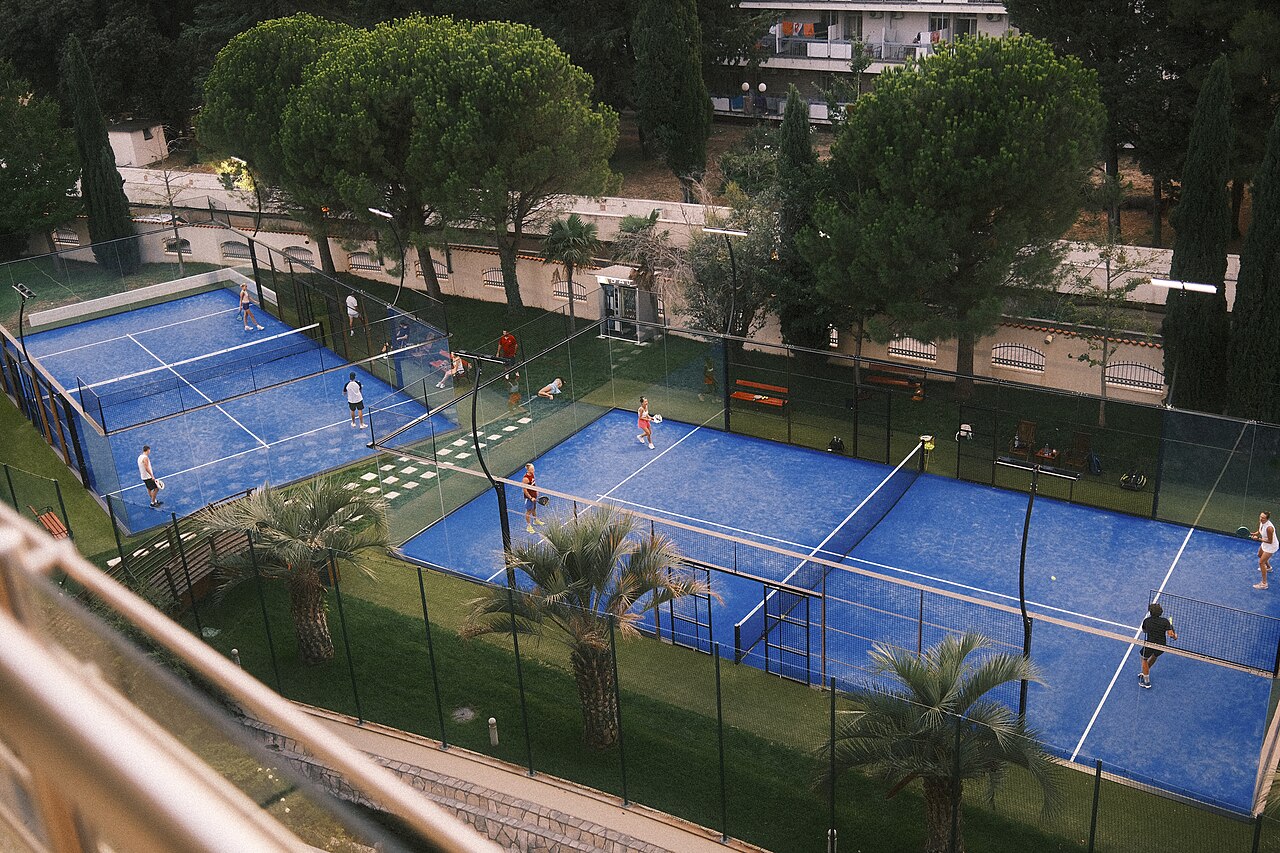
Indian tennis has always been strongest in doubles, and a good number of followers here can name a doubles draw more confidently than the singles one. That is a genuine edge in a market that gets a fraction of the attention and a fraction of the money.
It helps to know the format is different. Most tour doubles plays no-ad scoring, where deuce becomes a single sudden-death point, and replaces a deciding set with a match tiebreak to ten. Both changes shorten matches and increase variance, so the favourite converts less reliably than they would over a full third set. Prices that look generous in doubles are often just correctly reflecting a format that gives the underdog more room.
Grass and quick hard courts reward the serve. More holds, more tiebreaks, higher totals lines and more matches decided by two or three points across two hours. Clay gives the returner time to get the ball back, which produces breaks, long rallies and the longest matches of the season — the French Open is where five-setters get genuinely gruelling.
The practical consequence is that surface form outweighs general form. A player who has won three matches on hard courts tells you less about their clay season than their clay record does. When the tour changes surface in April and again in June, treat the first week of each swing as its own thing rather than a continuation.
The Australian Open is a gift for Indian viewers — Melbourne is four and a half hours ahead, so play runs through the Indian morning and afternoon. Wimbledon and Roland-Garros start mid-afternoon here. The US Open is the awkward one, with night sessions ending after sunrise in India.
A five-set match finishing at 6:00 AM IST is exactly the situation where staking decisions get worse without feeling worse. If you follow the American swing seriously, set deposit and session limits before the tournament starts rather than during it — responsible gaming covers the tools, and live sports lists what is running at which hour IST.
Vinod's account behaves in Nagpur exactly as it would in a flat in Bandra. That sounds obvious until you have used services where it is not true. The tennis board is one board. The prices sitting on it are the prices everybody else is looking at, the minimum and maximum shown on each row apply to every account equally, and a UPI deposit clears the same way from a bank in a district town as it does from an app in a metro. Nothing on the board is held back for a bigger city.
What does vary is ordinary and unglamorous. Network coverage decides how quickly an in-play price refreshes on your screen, and a weak signal in the middle of a tiebreak is properly irritating. Bank maintenance windows differ between banks. Past that, the experience does not change by pin code, which counts for most during the late slams — the person following a US Open night session from a small town is doing precisely what somebody in Pune is doing at the same hour. FairPlay India covers the deposit routes, the language options and the support hours in detail.
Registering takes less than most people assume. You give a mobile number, an OTP arrives on that number, you type it in, and you choose a password yourself at that point rather than being handed one. That is the whole sequence. No document upload stands between you and a first look at the tennis board, and FairPlay register walks through it screen by screen if you would rather read before you start.
Every visit after that goes through the same door. The FairPlay login screen wants the number you registered with and the password you chose, and that pair is the only combination that ever opens the account. Worth holding on to, because it makes one thing very simple: if anybody asks you for those details anywhere other than that screen, they are not the site.
Any platform with a following in India gets impersonated, and a slam fortnight is a favourite window for it because that is when people are paying attention. The forwards come in a small number of shapes. One announces that a bonus has been credited and needs a link tapped to release it. One introduces itself as support and asks you to read out the OTP that has just arrived so the account can be verified. One is a payment link that mimics the deposit flow but sits on a domain nobody bothers to read.
The tell is identical in all three. Real support never needs your OTP or your password, because the account is already open in front of them; the OTP exists so that nobody except you can approve the thing it is approving. A bonus that genuinely belongs to you shows up in your account when you log in and does not depend on a forwarded link to appear. A real deposit starts from inside the app rather than from a message. If something lands that you are not certain about, close it, open the app yourself and look. Two minutes of checking beats a spoiled evening and a drained wallet.
FAQ
Pricing, settlement, surfaces and the slam calendar in IST.
Because the scoring system compounds it. Points build into games, games into sets and sets into matches, and at every level a lead is converted rather than carried over. On a simplified even model, a player winning 55% of points wins about 62% of service games, 81% of sets and roughly 91% of best-of-three matches. That is why a match between two players who look close on paper can produce a very short price, and why blowout scorelines are normal in a sport decided by narrow margins.
Structurally, yes. Best-of-five gives the stronger player more chances to convert the same edge, so the format itself suppresses upsets. On the same model, an edge that wins 91% of best-of-three matches wins about 95% of best-of-five. This is why underdog prices are generally longer at the men's slams than at ordinary tour events, and why a shock first-round result over five sets is a bigger deal than the same result over three.
It depends on the market, and tennis is the sport where this matters most. Match-winner bets are usually voided and stakes returned unless the match had reached a defined point of completion. Markets that have already been decided — a set betting market where that set is finished, or a total-games line already passed — are normally settled as they stand. Because the rules differ between markets and between operators, the settlement terms on the event itself are the ones that apply, and they are worth reading before you place an in-play bet on a player who has been receiving treatment.
A walkover is when a player withdraws before the match begins, so not a single point is played. Every market on that match is voided and all stakes are returned, since there was no contest to settle against. This is different from a retirement, where play has started and some markets may already have been decided.
More than most people expect. Grass and quick hard courts reward the serve, which means more holds, more tiebreaks and higher totals lines. Clay slows the ball and gives returners time, which produces more breaks, longer rallies and longer matches. The same two players can present quite differently across surfaces, so recent form on the surface being played is worth more than overall recent form.
It has its own logic and rewards knowing the format. Most tour doubles uses no-ad scoring and a match tiebreak instead of a deciding set, which shortens matches and increases variance considerably. Indian followers often know the doubles draw better than the singles, given how much of India's tennis history sits there, and that familiarity is a genuine advantage in a less heavily priced market.
The Australian Open is the comfortable one, with play from about 5:30 AM IST because Melbourne is only four and a half hours ahead. Wimbledon and the French Open begin mid-afternoon here and run into the small hours. The US Open is the difficult one, starting around 9:30 PM IST with night-session matches finishing after sunrise in India.
Markets start at ₹20, with each row on the board showing its own minimum and maximum. Liquidity is deepest on the match winner at the slams and on main-court matches at tour events; a first-round match on an outside court at a smaller tournament will have thinner markets and wider prices.
Explore FairPlay