

A first deposit, from open tab to confirmed balance
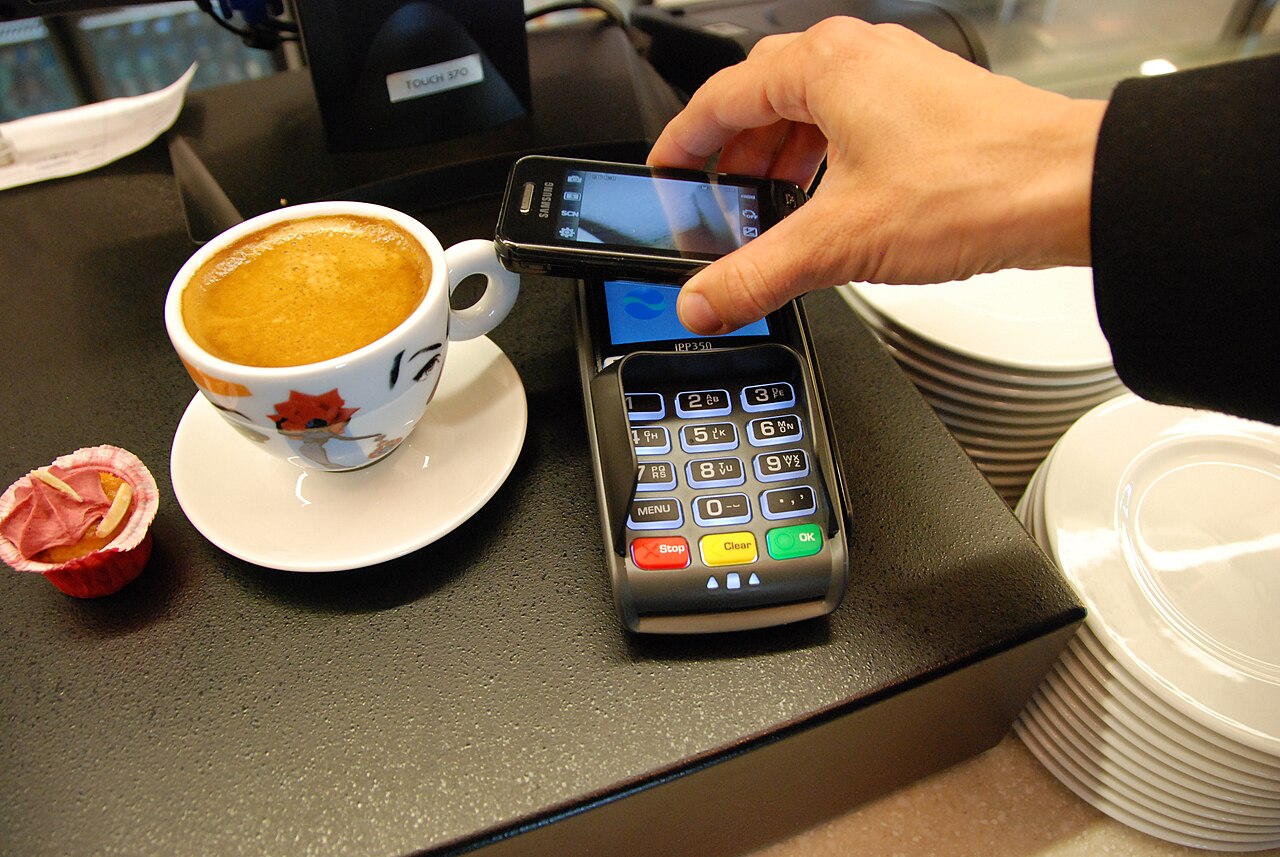
Picture someone who's just finished registering a FairPlay account on a Tuesday evening, with a cricket match starting in about twenty minutes and nothing staked yet. They open Deposit, pick UPI since it's the option everyone else seems to use, type in ₹500, and get handed straight to their own Google Pay app rather than any screen on the FairPlay site itself. That handoff is the part worth noticing — the PIN gets entered inside the banking app the person already trusts and has used for years, never on a betting site's own page. A few seconds after confirming, the app shows a payment success screen with a UTR number on the receipt, and by the time they switch back to the FairPlay tab the balance already reflects the ₹500. The whole thing, from opening the deposit screen to a match-ready balance, takes under a minute — which is really the point of building the flow around UPI in the first place rather than a slower bank transfer.
What makes this worth walking through concretely is that almost nothing about it is specific to FairPlay — it's the same UPI flow used to pay for groceries or split a dinner bill, just pointed at a betting account's wallet instead of a shop. That familiarity is exactly why the one habit worth building — screenshotting the UTR before closing the app — is easy to skip. Nothing about a smooth, seconds-long deposit feels like it needs a paper trail, right up until the one time out of fifty when it does.
The message asking you to "verify" a deposit through a link
Because a real deposit really does clear in seconds, a delayed or unusual one is exactly the moment a scam message tends to arrive — a text or chat forward claiming to be FairPlay support, saying a deposit is "stuck" and needs to be "verified" through a link, or asking for a UPI PIN, an OTP, or a screen-share app to "help process" the payment. None of that is how a real deposit works. FairPlay never asks for a UPI PIN anywhere outside your own banking app, never needs an OTP to release a deposit that already debited your account, and never requires a screen-sharing tool to fix a payment issue. The genuine version of "my deposit hasn't arrived" is the table above — check what the UPI app itself says, and if needed send support the UTR from inside the account, typed in by hand rather than reached through a forwarded link. A message pushing urgency around an unconfirmed deposit, however official it looks, is far more often an attempt to get a PIN or an OTP than a genuine update from support.
Depositing without ever having a problem
Deposits are the part of a betting account people use most often and think about least. Nearly all of the friction comes from three avoidable things, and none of them is about which method you choose.
Pay from your own account, every single time
The account or UPI ID you pay from has to match your registered name. A transfer from a spouse's account, a parent's account or a friend's phone cannot be credited — it has to be reversed, which involves support and takes days rather than minutes.
This catches people out most often when their own UPI is down and somebody nearby offers to send it instead. That is exactly the moment to wait rather than improvise. The rule exists because withdrawals only ever go back to an account in your name, so money has to enter the same way it leaves.
Never make a second deposit to fix the first
When money leaves your bank and nothing appears, the instinct is to try again. Resist it. If the first payment was merely slow, you now have two deposits and one of them needs reversing. If it genuinely failed, the second is likely to fail the same way for the same reason.
Wait fifteen minutes, check what your UPI app says, and use the table above. Almost every case resolves on its own or with a single message quoting a UTR.
Decide about the bonus before you pay, not after
A bonus attaches at the moment of deposit and generally cannot be applied retrospectively. That makes it a pre-deposit decision, and it is worth two minutes of thought rather than a reflex tick.
If you intend to play through the volume anyway, take it. If you plan to deposit, place a couple of bets on the cricket and withdraw, the wagering requirement will restrict your balance for no benefit and declining is the better call.
Why the UTR habit matters more than it feels like it should
It's worth being honest about why a single screenshot, repeated on every deposit, is worth the small friction. The overwhelming majority of deposits need it for nothing at all — they clear in seconds and nobody ever looks at the receipt again. But the value of the habit isn't in the deposits that go smoothly, it's in the rare one that doesn't, where having a twelve-digit reference number ready turns a support message that might otherwise drag on for days into one that's usually resolved within minutes. Building the habit before it's genuinely needed, rather than trying to dig back through banking-app history after the fact, is really the entire practical difference right here.
Deposit limits are the most useful setting on the site
You can cap how much you deposit per day, week or month in your account settings. The cap applies the moment you set it, and raising it takes a cooling-off period before it takes effect.
That delay is the entire design. A limit you set on a calm afternoon is a different decision from one you would make at 11pm during a match that has gone badly, and the cooling-off period means the calm version wins. Responsible gaming explains the full set, and support can apply one for you in a minute.
The same UPI rails, wherever in India the account is used
None of this changes by state or city. Every FairPlay India account uses the same UPI infrastructure that already covers the country end to end — the same minimums, the same instant clearing, the same handoff to whichever banking app is already installed, whether that's from a metro apartment with five different UPI apps to choose from or a smaller town where one bank's app is what everybody actually uses. A ₹500 UPI deposit clears in seconds in Chennai exactly the way it clears in seconds in Shimla — the rails underneath are the same national payment system either way, and FairPlay doesn't layer anything region-specific on top of them. The only genuine variable is which bank a given player uses and whether that bank happens to be running a maintenance window at that particular hour, which is a bank-level detail rather than anything tied to geography in a meaningful way.
The same goes for every step before the deposit screen even opens. FairPlay register takes a mobile number, an OTP and a password regardless of where in India that number is registered, and every future visit goes through the identical FairPlay login screen. There's no separate regional version of the account or the deposit flow to be aware of — one system, used the same way nationwide.
Where your money can go next
One deposit funds everything. The same balance covers sports betting and every table in the casino, with no transfer step between them and no second account to fund.
When you want it back out, withdrawals from a verified account normally reach your bank in under ten minutes. Completing verification early — rather than at the moment you first want to cash out — is the single best thing you can do for that experience. Deposits are for account holders aged 18 and over.