
 Teen Patti
 Roulette
 Poker
PokerA real deal, on camera
Physical cards from a physical shoe, a real wheel, a real dealer. Several cameras cover the table and the result is read automatically and pushed to your screen.
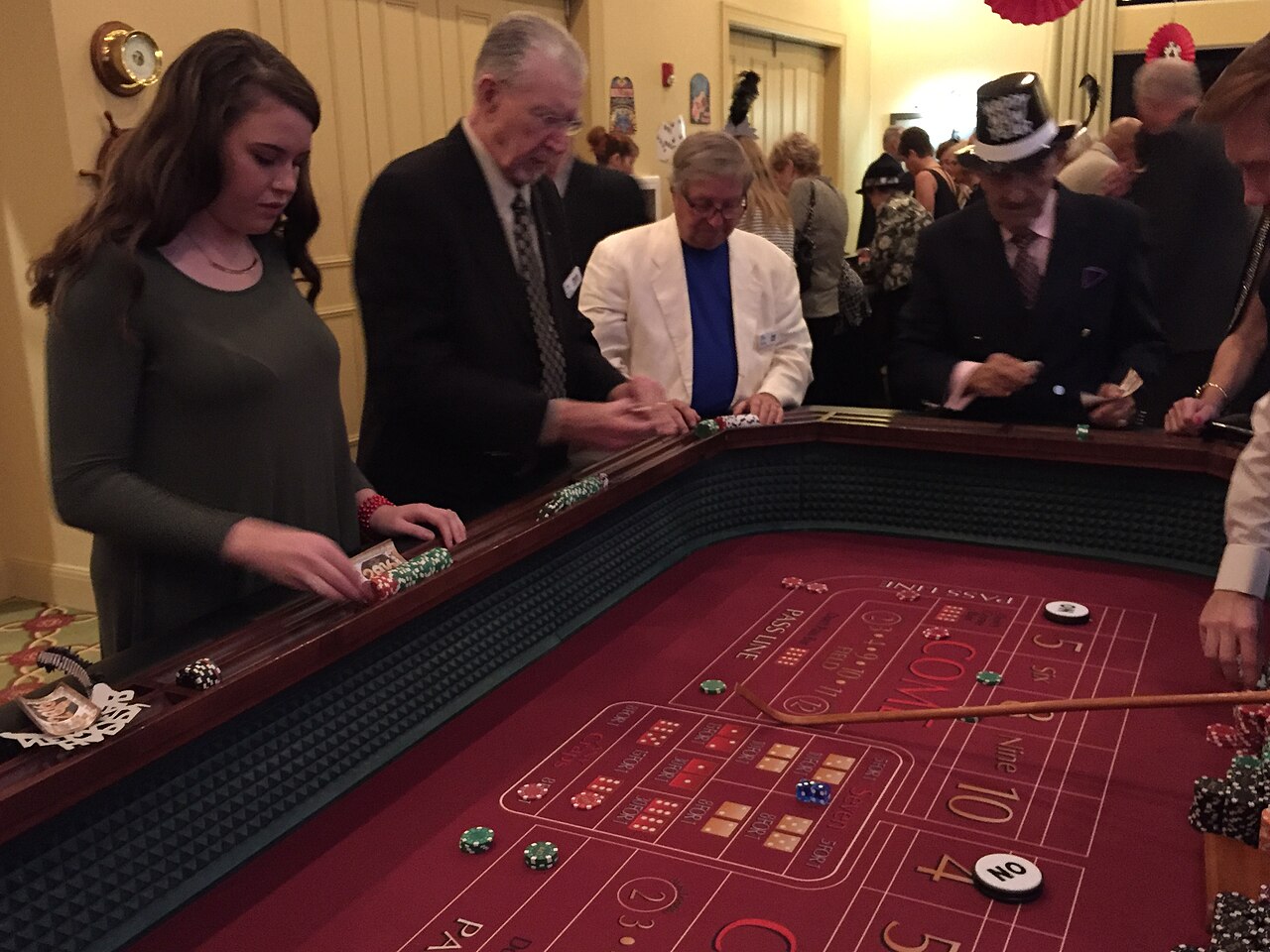
Real Dealers, HD Stream
Physical cards, a real wheel, and a dealer you watch deal them. The FairPlay live studio runs Teen Patti, Andar Bahar, roulette and blackjack around the clock, with Hindi-speaking tables through the evening. Seats from ₹50.
What Is Dealt Live
Each one also exists as an RNG version. The live table is slower, and that turns out to matter.
Pace
This decides how long a budget lasts far more than the house edge does. A slow table at the same stake is simply a cheaper evening.
| Game | Rounds per hour | Betting window | Worth knowing |
|---|---|---|---|
| Andar Bahar | ~100 an hour | About 15 seconds | The quickest table in the studio, and the one that gets through a bankroll fastest |
| Blackjack | ~60 an hour | About 15 seconds | Slower when the table is full, because every seat plays its own hand |
| Teen Patti | ~60 an hour | About 20 seconds | Multiple betting rounds inside each hand, so the pace varies with the table |
| Roulette | ~40 an hour | About 20 seconds | The wheel takes its time. One of the cheaper hours in the studio at a given stake |
| Baccarat | ~40 an hour | About 15 seconds | Speed baccarat roughly doubles this, and doubles the cost of the hour with it |
Live is the cheap option, not the expensive one. An RNG version of any of these deals several hundred rounds an hour against forty to a hundred here. Same odds, same stake, far less money through the margin. The casino hub puts a rupee figure on that difference.
Mobile Data
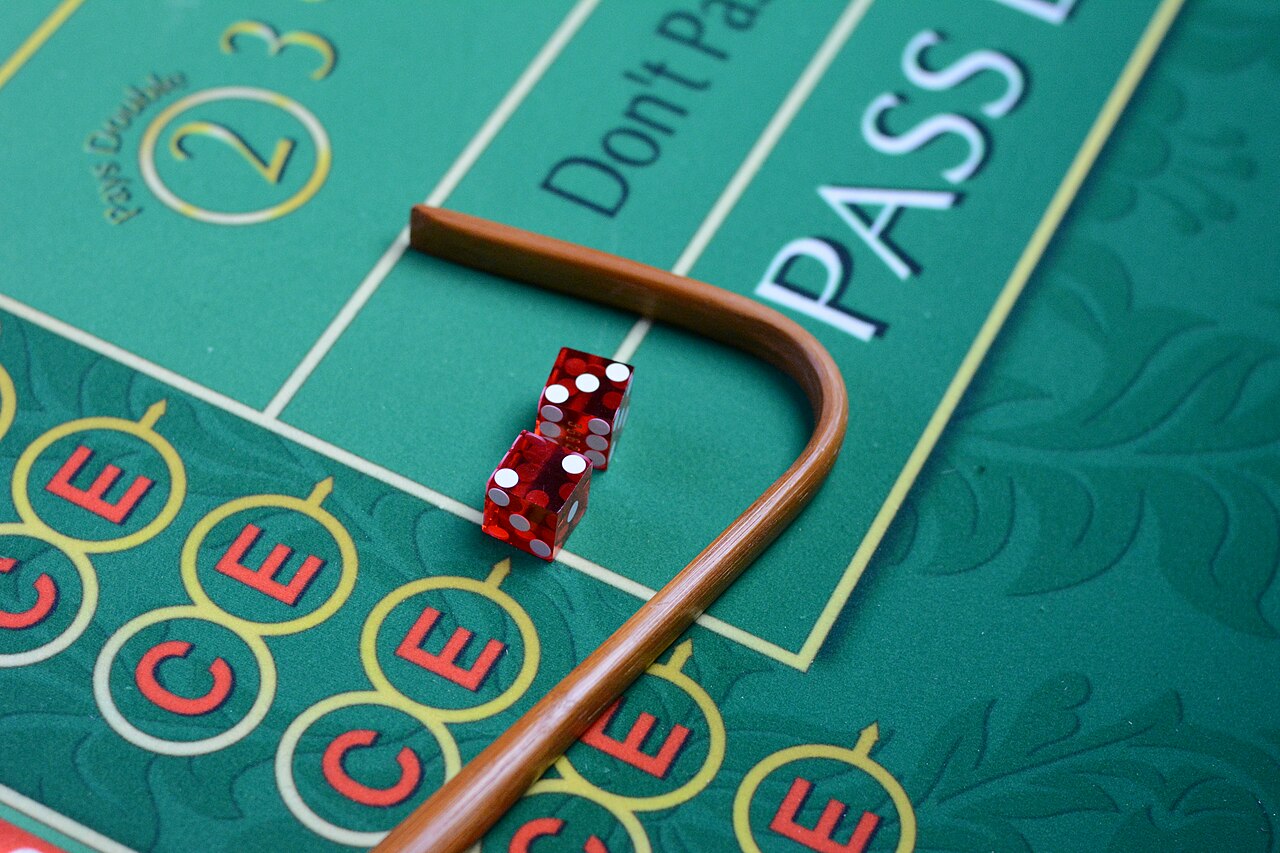
Most Indian players are on a daily data allowance. Nobody tells you how quickly a live stream eats one, so here are the numbers.
| Stream quality | Approx bitrate | Data per hour | On a 1.5 GB daily plan |
|---|---|---|---|
| Low | ~0.3 Mbps | ~135 MB | About 11 hours on a 1.5 GB day |
| Standard | ~0.7 Mbps | ~315 MB | About 5 hours on a 1.5 GB day |
| HD | ~1.5 Mbps | ~675 MB | About 2 hours on a 1.5 GB day |
Drop to standard quality. Two hours of HD will finish a 1.5 GB day. At standard you get around five, and the cards are exactly as readable — you are watching a dealer place cards on a table, not a cricket match. Switch it down in the table settings.
At the Table
Six things about how a live table runs, including two that new players usually get wrong.
Physical cards from a physical shoe, a real wheel, a real dealer. Several cameras cover the table and the result is read automatically and pushed to your screen.
Ten to twenty seconds per round, depending on the game. When it closes the dealer deals, and nothing further is accepted.
Selected tables run with Hindi-speaking dealers and fill up through the Indian evening. The table listing shows the dealer language before you join.
From around ₹50 on standard tables up to VIP rooms with much higher ceilings. Minimum and maximum are posted before you take a seat.
Dealers have no influence over the outcome and are not permitted to give playing advice. They are there to run the game, not to read it for you.
Table chat is moderated. Dealers reply between rounds, abuse gets players removed, and nobody at the table can see your balance.
RNG games have always had a trust problem, and it is not really a technical one. The maths is certified and independently tested, but a player watching numbers appear on a screen has no way to feel that — they have to take it on faith.
A live table removes the question entirely. You watch the card come off the shoe. Whatever you think about random number generators stops being relevant, because there is not one in the room. That is the whole reason live dealer play now carries so much of the Indian casino market, and it is a perfectly reasonable preference.
Here is the part that surprises people. A live table feels premium and looks expensive, so players assume it costs more. It costs less.
A live baccarat table gets through about forty rounds an hour. The RNG version can run several hundred. The house edge is identical, but it only applies to money you actually stake — so the slow table puts a fraction as much through the margin. At ₹100 a round that is the difference between an evening and a very short evening.
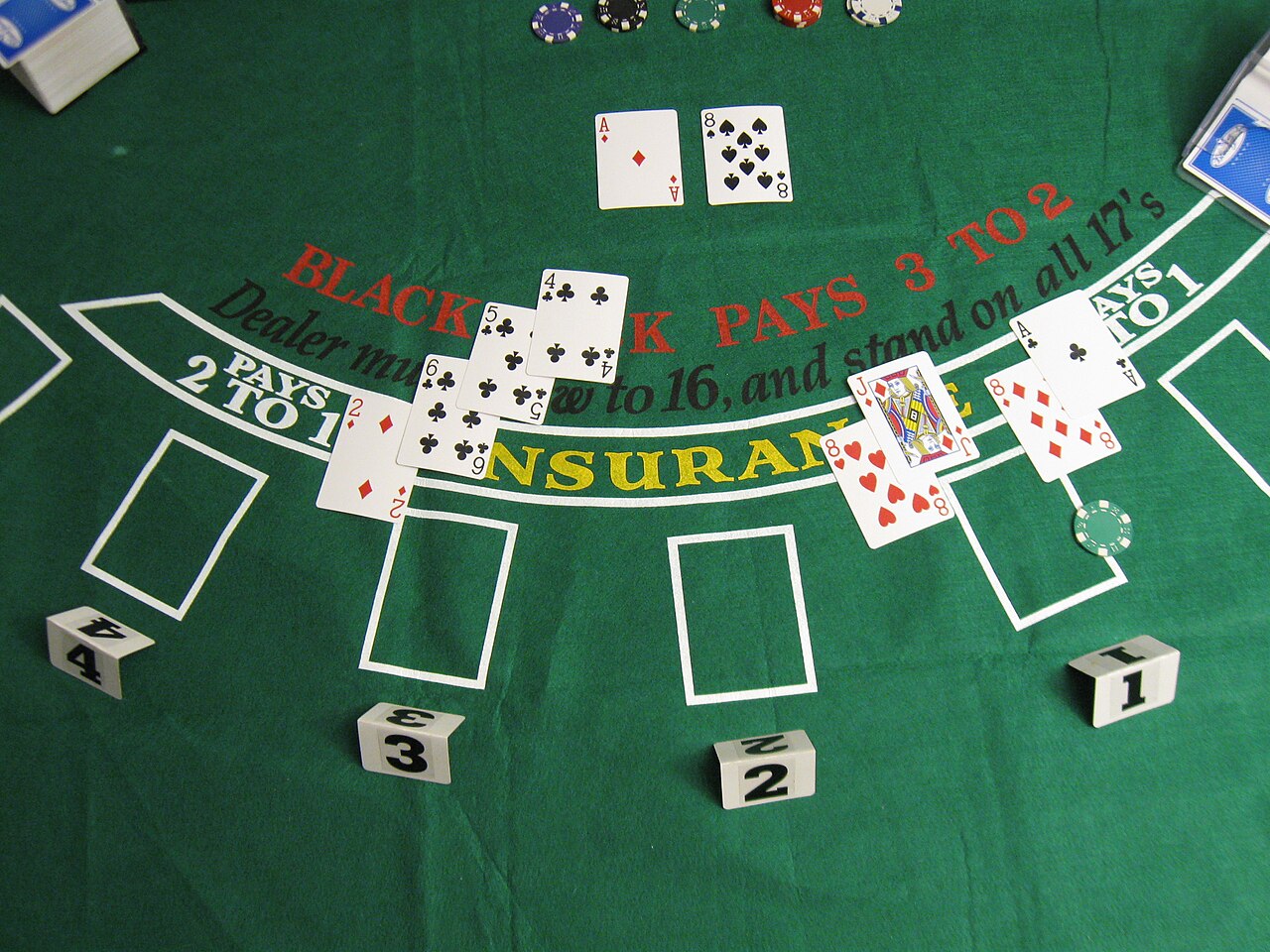
You get ten to twenty seconds. That is plenty if you know what you are doing and nowhere near enough to work out a strategy from scratch while a dealer waits.
Settle your bet size and which positions you will take before you sit down. Once that is decided, the window stops feeling rushed and becomes what it is meant to be — a pause, not a test. Players who improvise inside the window are the ones who end up betting more than they meant to.
Two blackjack tables in the same studio can differ by more than a full percentage point in house edge depending on whether a natural pays 3:2 or 6:5. Two roulette wheels can be European or American. Two baccarat tables can be standard or no-commission, and the one that looks cheaper usually is not.
The rules are posted on every table before you join. Reading them takes ten seconds and is worth more than any decision you will make once you are seated.
Baccarat tables show roads. Roulette tables show recent numbers. Andar Bahar tables show which side has been landing. All of it is an accurate record of what has already happened and carries no information about the next round.
These displays exist because the games have centuries of ritual attached and players expect them. Enjoy them as part of the furniture. The moment they start setting your stake size, they have become expensive.
Anitha finishes the dinner plates at about half past ten and sits on the edge of the bed with the fan turned down, because her husband is already asleep and the phone is the only light in the room. Her cousin's group chat has been arguing since afternoon about a wedding in November and she has read enough of it. So she opens the app instead, taps through to the live lobby, and scrolls until she finds a roulette table with a Hindi-speaking dealer and a minimum she recognises. The stream loads. The dealer says good evening to nobody in particular. There is a number on the screen counting down from twenty.
That countdown is the game. Everything else — the wheel, the felt, the studio lighting, the little board of recent numbers running down one side — is arranged around those twenty seconds. Anitha has maybe half an hour before she wants to sleep, and what she settles in the first minute of it will shape that half hour far more than any individual spin does.
She taps the ₹100 chip, then taps red. The chip lands on the felt and the counter keeps running — her balance has not moved yet, and will not move until the window shuts. That catches people out the first time. You can raise the bet, pull it back off, or shift it to a different position for as long as the number is still falling. Then it reaches zero, the dealer waves a hand across the table, and the bet is locked. Nothing tapped after that reaches the table at all.
The dealer spins the wheel and sends the ball the other way round it. A camera in the studio ceiling watches which pocket the ball drops into, and the software reads that pocket and pushes the number to her screen in the same moment she sees it land. This is why the picture and the result never contradict each other: they describe the same event, half a second apart. If red came up, the payout is in her wallet before the dealer has finished sweeping the losing chips away. If it did not, the hundred is gone and the next countdown has already begun.
A live wheel gets through something like forty rounds an hour, which is the figure sitting in the pace table further up this page. Forty is slow by casino standards, and slow is precisely what makes an evening affordable. Say she stays half an hour at ₹100 a spin and backs every round — that is roughly twenty spins and about ₹2,000 put across the felt, which is not the same thing as ₹2,000 lost. She might close the app four hundred rupees up or six hundred down. Neither number tells her anything at all about tomorrow.
Ten minutes in, the picture stutters and freezes for two seconds. Anitha's first thought is that she has lost the bet. She has not. The chip went down before the window closed, so the round is dealt and settled whether or not anybody is watching it happen. By the time the video catches up, the result is already sitting in her account history where she can check it.
The other thing a stream does is consume mobile data, and on a daily pack that is a real cost. The table above puts an HD hour at roughly 675 MB, which will finish a 1.5 GB day in about two hours of play. Anitha drops the quality to standard in the table settings and the same evening costs her a third of that. She gives up nothing she was using. A ball settling into a numbered pocket is not a cricket highlight reel — standard definition shows it perfectly well, and the cards at a Teen Patti table are just as legible.
None of that half hour was particular to Vijayawada. Open the same account on a phone in Ranchi, in Kochi, in Ludhiana, or in a taluka town where the 4G thins out after nine at night, and it is the same lobby with the same tables and the same rupee limits printed at the top of each one. The dealer roster does not change by state. The minimums do not change by city. What genuinely varies from place to place is bandwidth, and a live table answers a weak signal by quietly lowering its own picture quality rather than dropping you out of a hand you have money on. FairPlay India covers the country-level detail — payment rails, rupee handling, and which tables run with which dealer language.
There is a persistent belief that the metros are shown a better room. They are not. VIP tables exist, but they are gated by stake rather than by postcode, and every account opens onto the identical list of studios.
Getting as far as a table is a shorter errand than most people expect. FairPlay register asks for a mobile number, sends a one-time code to it, and lets you choose a password on the spot. That is the account made. Documents are asked for later, at the point money is due to leave rather than arrive, which is ordinary for anything regulated and better anticipated than resented.
Every visit after that runs through the same FairPlay login screen: the number you registered with, and the password you picked at the time. Should the password wander off, the reset code returns to that same number — which is why it pays to register with the SIM you actually answer, not a second one you top up twice a year.
Anything used this widely gets imitated, and the casino side attracts rather more of it than the sportsbook does. Three messages circulate almost constantly. The first announces that a bonus has been credited to you and asks you to claim it through a link — genuine promotions live inside your own account and are never handed out by forward. The second arrives from a warm, apologetic person claiming to work in support, asking you to read back a one-time code or confirm your password so that a stuck withdrawal can be released. Support staff do not ask for an OTP and do not ask for a password: not on chat, not on a call, not by email. The third is a payment page dressed up to look like a deposit screen, when a deposit is something you begin yourself from the cashier.
The pattern under all three is a deadline stapled to a link. A genuine alert describes something that already happened. A fake one describes something about to run out. If a message leaves you feeling there are four minutes to act, that feeling is the whole product. Close it, open the app on your own, and put the question to support through a channel you already trust.
Standard tables run from about ₹50, with VIP rooms considerably higher, and every table posts its ceiling before you sit. Rounds settle on camera and winnings are in your wallet before the next deal begins.
Because a live session tends to run longer than an RNG one — that is rather the point — a session limit is worth setting in advance. Responsible gaming lists the tools, and support will apply one on request. A withdrawal from a verified account usually reaches your bank within ten minutes. Live tables are for players aged 18 and over.
FAQ
Data, dealers and how the tables actually run.
A dealer deals physical cards or spins a real wheel in a studio, covered by several cameras. Optical recognition reads the result and sends it to your screen alongside the video, so the game state and the picture stay in step. You place bets from your device during a fixed window, and the dealer settles the round on camera in front of you.
An HD stream runs about 1.5 Mbps, which works out at roughly 675 MB an hour — so a standard 1.5 GB daily plan carries a little over two hours of HD play. Dropping to standard quality is about 315 MB an hour, and the lowest setting is around 135 MB. The cards are just as readable at standard quality, so most players on a daily plan should not be streaming in HD.
Yes, on selected tables, and those are usually the busiest tables during Indian evening hours. The dealer language is shown in the table listing before you join, so you can pick one before sitting rather than finding out afterwards.
A steady 2 Mbps handles an HD table comfortably, and standard quality works on considerably less. Stability matters more than raw speed — a connection that drops to nothing for two seconds is worse for a live table than one that is consistently slower.
Any bet accepted before the window closed still stands, and the round is dealt and settled normally whether or not you are watching. When you reconnect, the result and the settlement are in your account history. You cannot lose a bet by disconnecting, and you cannot cancel one either.
They are not — they are cheaper. A live table deals around forty to a hundred rounds an hour where an RNG version of the same game can run several hundred. The house edge applies to every round staked, so the slower table puts far less money through the same margin. If you want a longer session on a fixed budget, live is the better choice.
Usually between ₹50 and ₹100 on standard tables, which is higher than RNG games because a human dealer can only serve a limited number of rounds an hour. VIP tables carry much higher minimums and maximums. Every table displays its own limits before you sit down.
No. Video runs one way — you see the dealer, the dealer does not see you. Other players at the table see only your display name, never your balance or your bet history. Dealers respond to table chat but have no visibility into your account.
Explore FairPlay