

Win
One horse, first past the post. The whole market in a single selection, and the only bet where the price you take is the price you get.
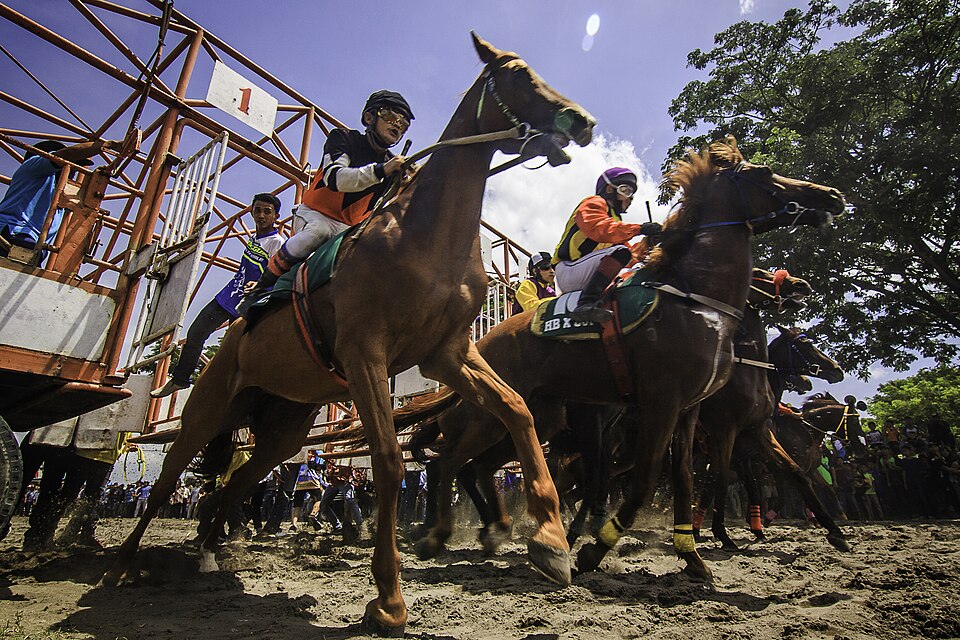
Indian & international cards
India has been racing thoroughbreds for well over a century, and the betting carries its own vocabulary to match — tanalas, jackpots and place terms that quietly decide whether a bet was any good. FairPlay prices Indian and international cards on the same board, so start with the each-way table below. It is the bet most people get wrong.
Next Off
Runners and prices from the next cards to go off. Times are IST.
Prices shown are illustrative
Mumbai — Race 4, 1200m TurfLive
Min 100 · Max 50,000
Bangalore — Race 2, 1400m Turf
Min 100 · Max 25,000
Min 100 · Max 25,000
Hyderabad — Race 3, 1100m Turf
Min 100 · Max 25,000
Min 100 · Max 20,000
The Bet People Get Wrong
A ₹1,000 each-way bet costs ₹2,000, because it is two bets. Here is what comes back at each price when the horse wins, and when it only places.
| Price | Returns if it wins | Returns if placed only | Profit if placed |
|---|---|---|---|
| 4.0 (3/1) | ₹5,600 | ₹1,600 | −₹400 |
| 5.0 (4/1) | ₹6,800 | ₹1,800 | −₹200 |
| 6.0 (5/1) | ₹8,000 | ₹2,000 | Break even |
| 7.0 (6/1) | ₹9,200 | ₹2,200 | +₹200 |
| 9.0 (8/1) | ₹11,600 | ₹2,600 | +₹600 |
| 11.0 (10/1) | ₹14,000 | ₹3,000 | +₹1,000 |
| 21.0 (20/1) | ₹26,000 | ₹5,000 | +₹3,000 |
A horse at 4.0 that finishes second loses you ₹400. Look at the top rows: the place return has to cover the entire ₹2,000, not just the place half, and at short prices it simply does not. Most people treat a placed each-way bet as a near miss that got some money back. Below 6.0 at 1/5 terms it is a losing bet dressed up as a consolation.
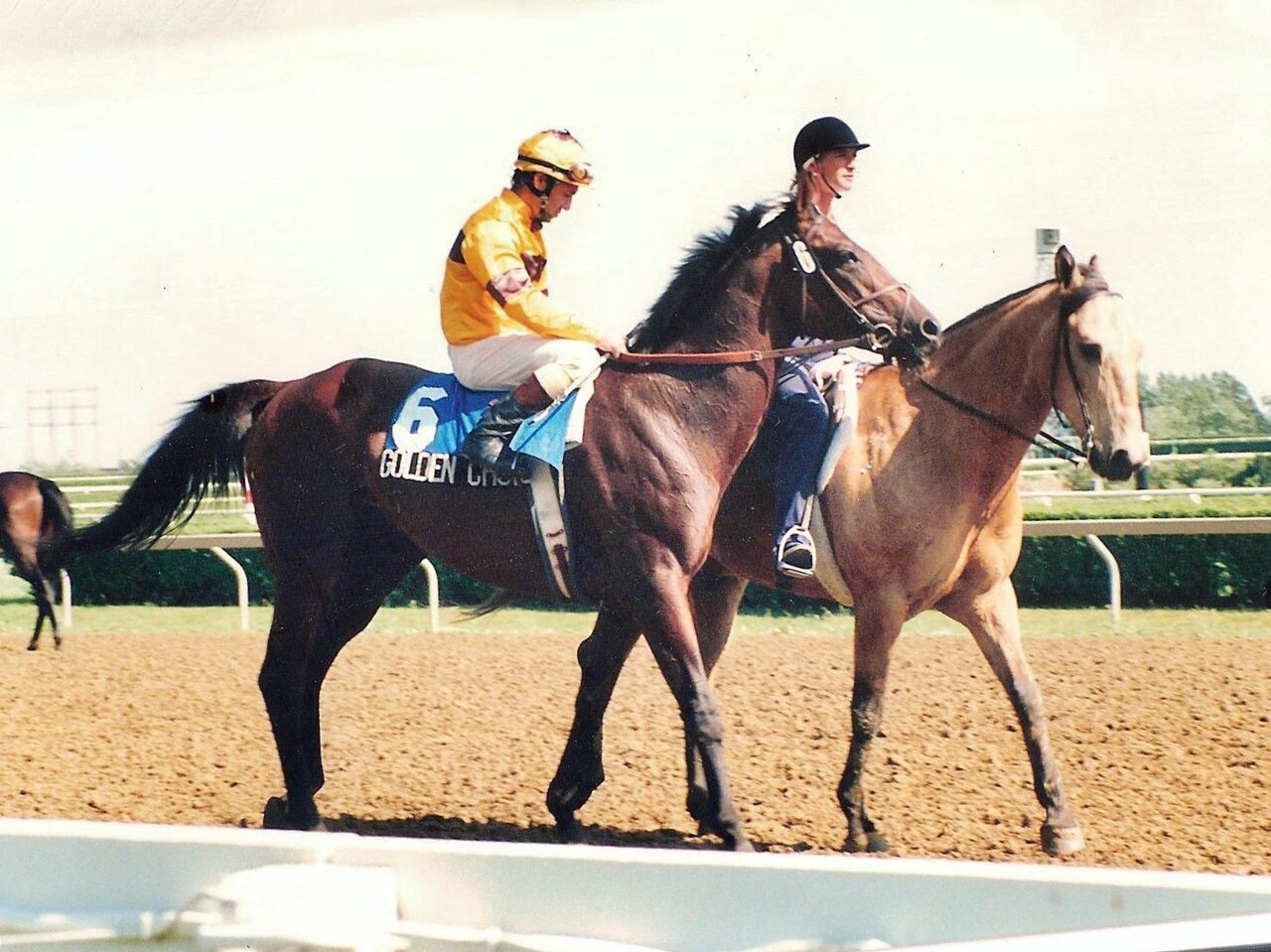
Check Before You Stake
How many places a race pays, and the fraction it pays them at, changes with the size and type of the field — and moves the break-even price with it.
| Field | Place terms | Places paid | E/W break-even |
|---|---|---|---|
| 2 to 4 runners | Win only | — | No place market |
| 5 to 7 runners | 1/4 odds | 2 | 5.0 or bigger |
| 8 or more, non-handicap | 1/5 odds | 3 | 6.0 or bigger |
| 8 to 11 handicap | 1/5 odds | 3 | 6.0 or bigger |
| 12 to 15 handicap | 1/4 odds | 3 | 5.0 or bigger |
| 16 or more handicap | 1/4 odds | 4 | 5.0 or bigger |
The rule is simpler than the table. At 1/f place terms, an each-way bet breaks even on a placed horse at a price of f plus one. A quarter of the odds needs 5.0; a fifth of the odds needs 6.0. That is the whole calculation, and it takes a second at the moment it matters. Terms are shown on the market itself, so check them rather than assuming — a fifteen-runner handicap and a nine-runner handicap do not pay the same way.
Bet Types
From a single win bet to the pool bets that give Indian cards their own vocabulary.
One horse, first past the post. The whole market in a single selection, and the only bet where the price you take is the price you get.
Your horse finishes in the places, with how many places depending on the size and type of field. Shorter returns, considerably more of them.
Two bets in one — half on the win, half on the place. Read the table above before using it, because below a certain price a placed horse still loses.
Name the first two home in order, or the first three. Indian cards call the three-horse version a tanala, and the pools can be substantial on a big day.
Pick winners across a set sequence of races on the card. Rarely landed, which is exactly why the pools carry over and grow.
Back the field against one runner by taking the other side of its price. Often the clearest opinion to have about a short-priced favourite.
Getting Started
If you have never used a betting exchange before, this is the whole process end to end.
Racing is the oldest betting sport in the country and it shows in the language. A card carries terms you will meet nowhere else on this site, and the two ways of pricing a race work on completely different principles. Knowing which one you are using changes what a bet is worth.
Ramesh keeps about ₹2,000 in his FairPlay wallet for weekends, topped up by UPI on a Friday evening when the week has been reasonable. On this particular Saturday the racing was on in the background while his mother made tea and his cousin argued with somebody on the phone in the next room. He gave the fourth race roughly four minutes. One horse had finished third in each of its last two starts, carried a weight that looked kind on paper, and was showing at 4.0. He backed it each way — ₹1,000 on the win, ₹1,000 on the place — and put the phone face down on the table.
The horse ran second. In the family group chat somebody typed the usual line about a near miss, and somebody else added that at least the each way had come in. Ramesh picked the phone back up expecting the balance to have moved the right way. It showed ₹1,600 returned against ₹2,000 staked. The bet everybody had just half congratulated him on had quietly cost him ₹400, and no part of the app had done anything wrong.
An each-way bet is not one bet with a safety net bolted on. It is two bets of equal size going on at the same moment, and they settle separately. The win half needed that horse to cross the line in front. It did not, so ₹1,000 of the outlay was gone the instant the race finished, exactly as it would have been on a straight win single.
The place half is where the arithmetic hides. It pays at a fraction of the win odds rather than the full price — a fifth of them in a field of eight or more, which is what this race was. A price of 4.0 is three to one, a fifth of that is 0.6, so the place half returned its own ₹1,000 stake plus ₹600 of profit. ₹1,600 back, calculated correctly, and still ₹400 short. That ₹600 had to cover a ₹1,000 loss on the other half before a single rupee of it counted as winnings.
That is the whole mechanism, and it scales precisely the way the table further up this page sets out. The place profit has to be large enough to pay for the dead win half before it starts paying you. At a fifth of the odds it only manages that from 6.0 upwards; at a quarter of the odds, from 5.0. Below those prices a horse can run a thoroughly good race, finish in the frame, and leave the account smaller than it started — which is a strange thing to discover in a group chat rather than before staking.
Two useful pieces of information were on the screen in front of him and he read neither. The first was the price. The second was the place terms, printed on the market itself: three places at a fifth of the odds, because the field was big enough to pay three. Put those side by side and the break-even for an each-way bet on that race was 6.0, comfortably above what he was taking.
None of that means the bet should not have been struck. It means it should have been struck differently. At 4.0 the sensible version is the win single — ₹1,000 on the horse to win, nothing on the place, and a bet that at least loses honestly when the horse is beaten. The each-way version starts earning its second stake only when the price is long enough for the place return to carry both halves, which is why each way suits a quietly fancied outsider at 9.0 far better than it suits a well-backed horse at 4.0. The terms sit on the market for a reason. Reading them takes about as long as it takes to type a reply in the group chat.
Pool betting, which is what a racecourse tote runs, collects every stake into one pot for that bet type. A deduction is taken, and what remains is shared among the winning tickets. Your return therefore depends on how many other people backed the same horse — and you do not find out until the race is run and the dividend is declared.
That is why a well-fancied favourite can pay less than you expected on the tote while a quietly supported outsider pays more. It also means the deduction is invisible at the moment you bet. On an exchange the logic is reversed: you take a stated price from another person, so you know your return before the stalls open, and the cost is a commission on winnings rather than a slice of the pool.
Forecast, tanala, jackpot and treble bets all work on the pool principle. A tanala asks for the first three home in order, which sounds difficult and often is — but if the three favourites finish in the expected order, a great many tickets share the pool and the dividend can be disappointing relative to the effort.
The reverse is what makes these bets interesting. An unfancied result leaves very few winning tickets, and jackpot pools that go unclaimed carry over and build. That carry-over is the reason those pools are worth watching on a big card rather than a quiet midweek one.
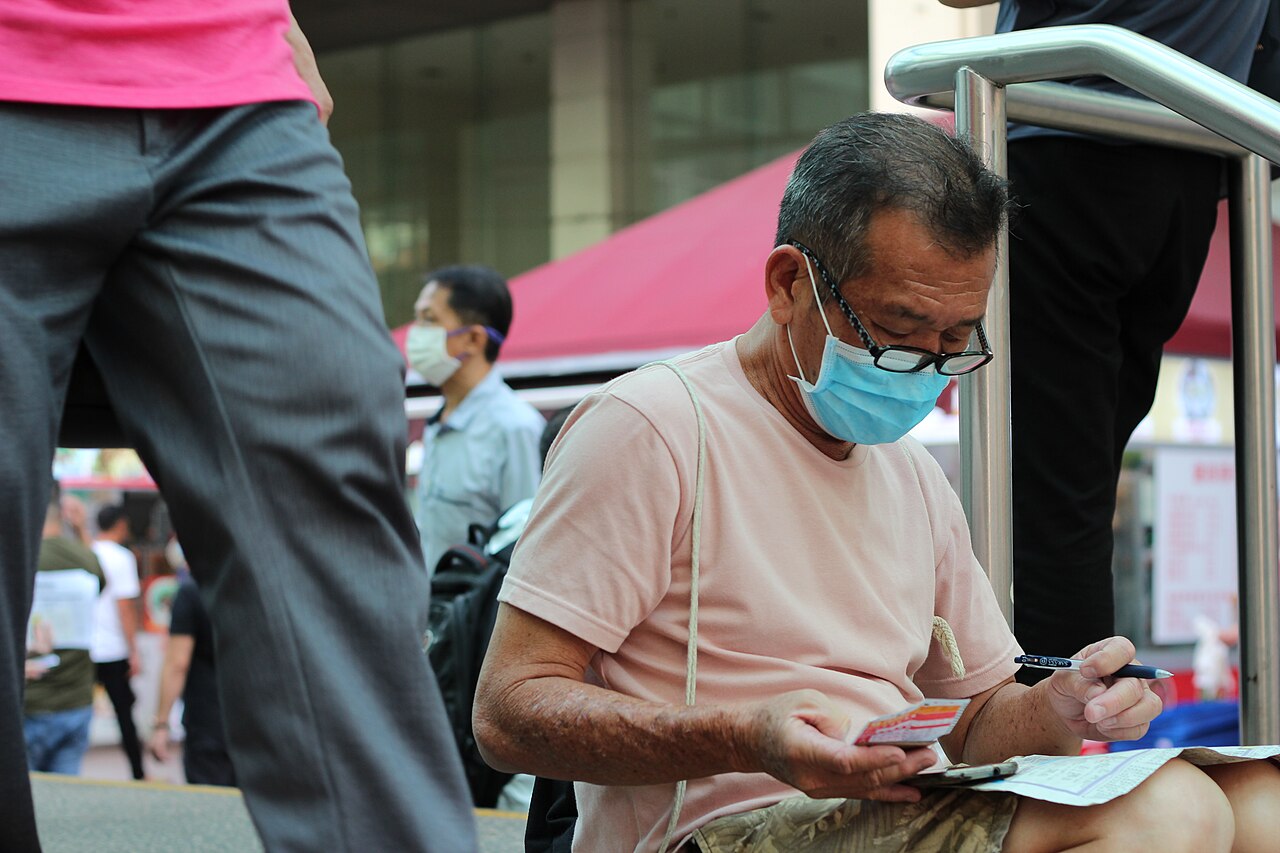
A race card looks dense and most of it can wait. Weight is the handicapper's published opinion of a horse, expressed in kilograms, and it is the most honest single number on the page. The draw — the stall a horse starts from — matters enormously over short distances on a turning track and barely at all over a staying trip.
Recent form tells you whether the horse is in condition, and the going tells you whether today's ground suits it. Indian tracks swing between firm and genuinely soft depending on the season, and a horse that handles one may be unrecognisable on the other. Jockey and trainer statistics add detail, but for a newcomer they rarely overturn what those four columns already said.
India's major clubs run complementary seasons rather than competing for the same dates, which is unusual and works in a bettor's favour. The western season fills the cooler months, southern clubs take the summer, and the monsoon meeting covers the middle of the year. The result is that a card is almost always running, with the biggest days clustered between January and March. Local seasons and venues are covered on the city pages — Mumbai, Bangalore and Kolkata each have their own.
Racing occupies an unusual position here. Indian courts have drawn a distinction between betting on horses and games of pure chance, reasoning that weighing form, weights, going and a jockey's record calls for real judgement rather than luck. That reasoning is part of why organised racing and its clubs have operated in India for well over a century.
It is worth being precise about what that does and does not mean. A legal distinction drawn about the nature of the activity is not a general permission, and what applies to you depends on the law in your state and where you are physically located. That position has changed more than once and continues to be argued. Check what currently applies to you before betting, treat this as background rather than advice, and note that accounts are for adults of eighteen and over. The India overview sets out the state-by-state picture, and responsible gaming covers the deposit and session limits worth setting first.
Big cards generate a lot of noise, and noise is where a fraudulent message likes to sit. The usual shape arrives a day or two after a well-attended meeting: a forward saying a racing bonus has been credited for backing a winner, with a link to collect it. A second version claims to be support, telling you a payout is held up and asking you to read out an OTP or confirm a password. A third is a payment page built to survive a quick glance and nothing more.
The tell is the same in every case and needs no technical knowledge to spot. Nobody from FairPlay asks for an OTP or a password, in a chat window or on a call, for any reason at all. An OTP exists so that only the person holding the phone can finish something, so anyone requesting it is asking for the one thing standing between a stranger and the account. Real credits — a settled bet, a promotion, a returned stake on a voided race — appear in the wallet history where they can be seen without following a link sent by anybody.
So treat any racing windfall message as a prompt to open the account yourself, by typing the address in rather than tapping what arrived, and look at the balance. If something has genuinely landed, it will be sitting there. If it has not, you have spent ten seconds and kept the account. Reports of anything that looked convincing are worth passing to customer support, because the same forward rarely goes to only one person.
Racing has strong regional identity — the clubs, the seasons, the crowds and the local horses all differ, and a Kolkata card feels nothing like a Bangalore one. The account behind it does not vary at all. There is one FairPlay India structure, and a Bangalore race looks identical on a phone in Bangalore and on a laptop in Guwahati: the same prices, the same place terms printed on the market, the same ₹20 minimum, the same settlement once the result is declared official.
That matters more than it first sounds, because racing was historically something you did by going somewhere. If you did not live within reach of a course, you followed it through whoever did. An account removes that dependency completely — a connection in a small town and a metro fibre line reach the same board at the same moment, and the minimum stake is the same number in both places. Deposits through UPI and the other methods work the same way regardless of state, and a payout goes to the bank account already verified on the profile. Following a Mumbai card from a town with no racing of its own is an ordinary thing to do rather than a workaround.
None of this needs anything elaborate to begin with. FairPlay register asks for a mobile number, sends an OTP to it, and has you choose a password at that point. That is the whole of it — no separate racing sign-up, no club membership to arrange, no paperwork before a card becomes visible.
Every visit after that runs through the same FairPlay login screen: the number you registered with and the password you picked. It is worth doing on a quiet evening rather than five minutes before a race you care about, because the first deposit and the identity check that goes with it are the parts that take a little time. Once the account exists, the board and the place terms on each market can be read without staking anything at all, which is a sensible way to spend a first afternoon — working through the arithmetic on a live card before any money depends on it.
FAQ
Each-way arithmetic, place terms, pools and reading a card.
It is two separate bets of equal size — one on your horse to win, one on it to finish in the places. A ₹1,000 each-way bet costs ₹2,000 in total. If the horse wins you collect on both parts. If it only places, the win half is lost and you collect the place half, which returns the win odds divided by the place fraction.
Because the place return has to cover the whole outlay, not just the place half. At 1/5 place terms the place part pays you 1 plus a fifth of the win odds, and for that to cover two units of stake the price has to be at least 6.0. So a horse at 4.0 that finishes second returns ₹1,600 on a ₹2,000 outlay — a ₹400 loss on a bet that many people would describe as a near miss. The rule generalises neatly: at 1/f place terms, break-even is f plus one.
It depends on the size and type of the field. Two to four runners is usually win-only. Five to seven pays two places at 1/4 odds. Eight or more pays three places, at 1/5 in most races and 1/4 in a handicap of twelve to fifteen. A handicap with sixteen or more runners typically pays four places at 1/4. The terms are shown on the market before you bet, and they change the arithmetic enough to be worth checking every time.
Tote betting is a pool. Everyone's money goes in together, a deduction is taken, and whatever is left is divided among the winning tickets — so you do not know your price until the race is over and the pool is settled. Exchange betting is the opposite: you take or offer a fixed price with another person, so you know exactly what you stand to win at the moment you place the bet. The deduction on a tote pool is set by the club and is normally a good deal larger than exchange commission on winnings.
It is the Indian racing term for picking the first three horses home in the correct order, the equivalent of a trifecta elsewhere. A forecast is the two-horse version. Both are pool bets rather than fixed odds, so the dividend depends on how much money went in and how many tickets share it — a tanala on a race where the favourites all run to form can return far less than the difficulty suggests.
Historically, yes. Indian courts have drawn a distinction between horse racing and games of chance, on the reasoning that assessing form, weights, going and a jockey's record involves genuine skill and judgement. That distinction is a real part of why organised racing and its clubs have operated here for well over a century. It is not the same thing as a general permission, though — what applies to you still depends on the law in your state and where you are located, and that position continues to change. Confirm it before betting, and treat this as background rather than legal advice.
Weight carried, the draw, recent form and the going, roughly in that order of usefulness for a newcomer. Weight is the handicapper's opinion of a horse expressed in kilograms, the draw matters enormously over short distances on a turning track, and the going tells you whether the ground suits a horse that needs firm or soft. Jockey and trainer records add to the picture but rarely overturn what the first four tell you.
There is racing somewhere in India for most of the year, because the major clubs run complementary seasons rather than competing ones. Broadly, the western season runs through the cooler months, southern clubs cover the summer, and the monsoon meeting fills the middle. That staggering is deliberate and it means a card is almost always available, with the biggest days concentrated between January and March.
Explore FairPlay