
Three-reel slots
A handful of paylines and no feature rounds. Wins land often and small, and a session moves at whatever pace you set rather than the game's.
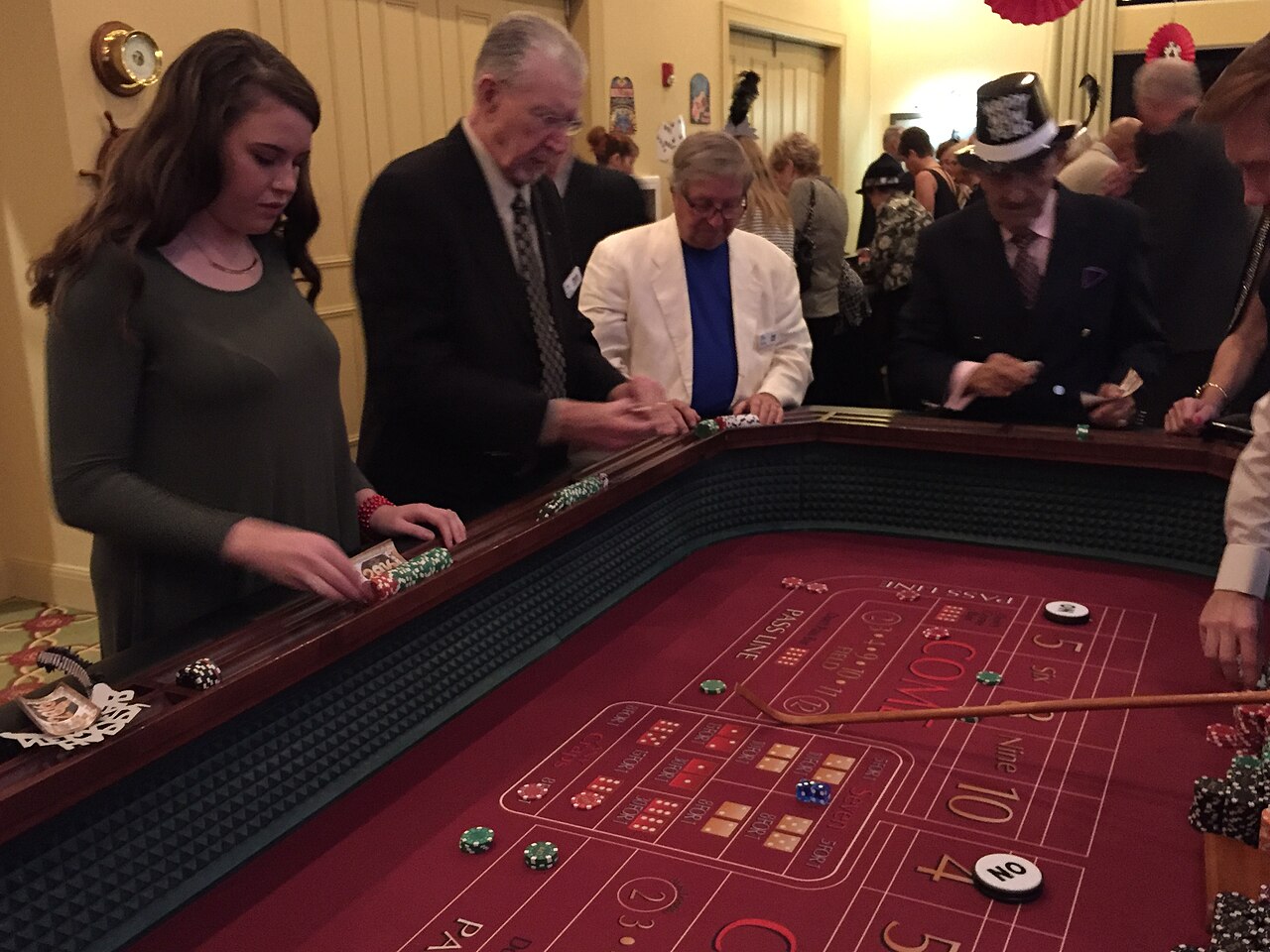
2,000+ games, spins from ₹10
A 96% RTP sounds generous — better than roulette, even. But RTP is measured per spin, and slots spin faster than anything else in the FairPlay casino. At ₹10 a spin you put about ₹6,000 through the game in an hour. Here is what that actually costs.
The Number Nobody Quotes
Every game below is priced at ₹100 a round. The only thing that changes is how many rounds an hour fits — and that turns out to matter far more than the house edge does.
| Game | Rounds/hr | House edge | Staked per hour | Expected loss |
|---|---|---|---|---|
| Slots, fast play | 600 | 4.00% | ₹60,000 | ₹2,400 |
| Slots, unhurried | 300 | 4.00% | ₹30,000 | ₹1,200 |
| RNG roulette | 250 | 2.70% | ₹25,000 | ₹675 |
| Live Andar Bahar | 60 | 2.15% | ₹6,000 | ₹129 |
| Live roulette | 40 | 2.70% | ₹4,000 | ₹108 |
| Live blackjack, played well | 60 | 0.50% | ₹6,000 | ₹30 |
Eighty times the cost, for the same stake. Fast slot play and live blackjack both take ₹100 a round. One expects to cost you ₹2,400 an hour and the other ₹30. Nothing about the RTP figure tells you that, because RTP describes a single spin and says nothing about how many of them fit into an evening. If you want slots to cost less, the effective controls are stake size and speed — not which game you pick from a lobby where they all sit between 94% and 97%.
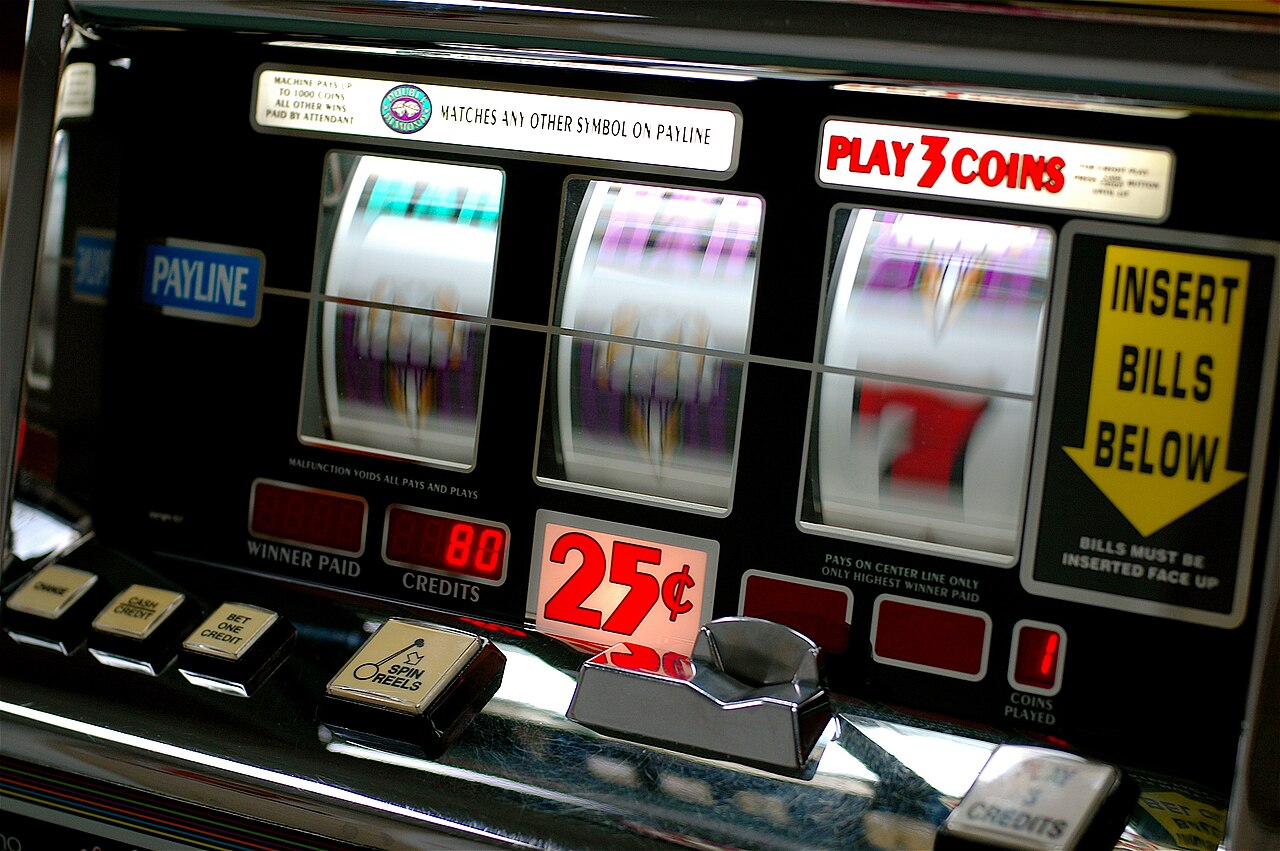
The Lobby
Two thousand games, six broad kinds. The differences are about how the same return gets delivered, not how much of it there is.
A handful of paylines and no feature rounds. Wins land often and small, and a session moves at whatever pace you set rather than the game's.
Five reels, twenty to fifty paylines, free spins and pick-a-prize rounds. The bulk of the lobby and the middle of the volatility range.
Reel heights change every spin, producing tens of thousands of ways to win. Long dry stretches punctuated by occasional large hits.
A slice of every spin across many players feeds one growing prize. The base game returns less than a non-progressive to fund it.
Pay a fixed multiple of your stake to enter the feature immediately. Convenient, and priced so the house edge is unchanged or slightly worse.
Both increase spins per hour, which increases cost per hour by exactly the same proportion. The one setting that genuinely changes your outcome.
Why It Feels Cold
Take a bonus round that triggers on average once in two hundred spins. Here is the chance of seeing nothing at all across a given stretch.
| Across | Chance of no trigger |
|---|---|
| 100 spins | 60.6% |
| 200 spins | 36.7% |
| 400 spins | 13.5% |
| 600 spins | 4.9% |
Four hundred spins with nothing happens one time in seven. That is not a cold machine or a game that has tightened up — it is the ordinary behaviour of a one-in-two-hundred event. The reverse trap is the same mistake wearing different clothes: a slot that has gone six hundred spins without a feature is not due one. Every spin starts from scratch, which is precisely why a run of nothing can go on far longer than feels reasonable.
Slots are the easiest games here to start and the hardest to pace. There is nothing to learn, no decision to get wrong and no other player waiting on you, so the only thing setting the speed is how quickly you can press a button — or how quickly autoplay presses it for you.
Blackjack has decisions, so it has natural pauses. A live dealer has to deal, so the table has a rhythm. A slot has neither. That is the whole reason the same house edge produces such different hourly costs, and it is why turbo mode deserves more suspicion than any other button on the screen.
If you want an evening of slots to cost less, there are exactly two levers and neither of them is game selection. Lower the stake, or slow the spins. Choosing between a 95.8% game and a 96.2% one is rearranging the small number while the large one goes untouched.
Two slots with identical RTP can feel like completely different games. A low-volatility title pays small amounts frequently, so a balance slides down gently and an hour feels uneventful. A high-volatility one pays rarely and heavily — the same money either disappears in twenty minutes or lasts the whole night.
Neither is better value, because the return is the same. What differs is the experience and how well it matches what you actually want. If you have set aside a fixed amount for an evening, low volatility gets you more time from it. If you would rather have a small chance at something worth remembering, high volatility is the honest choice — as long as you know you are buying variance, not value.
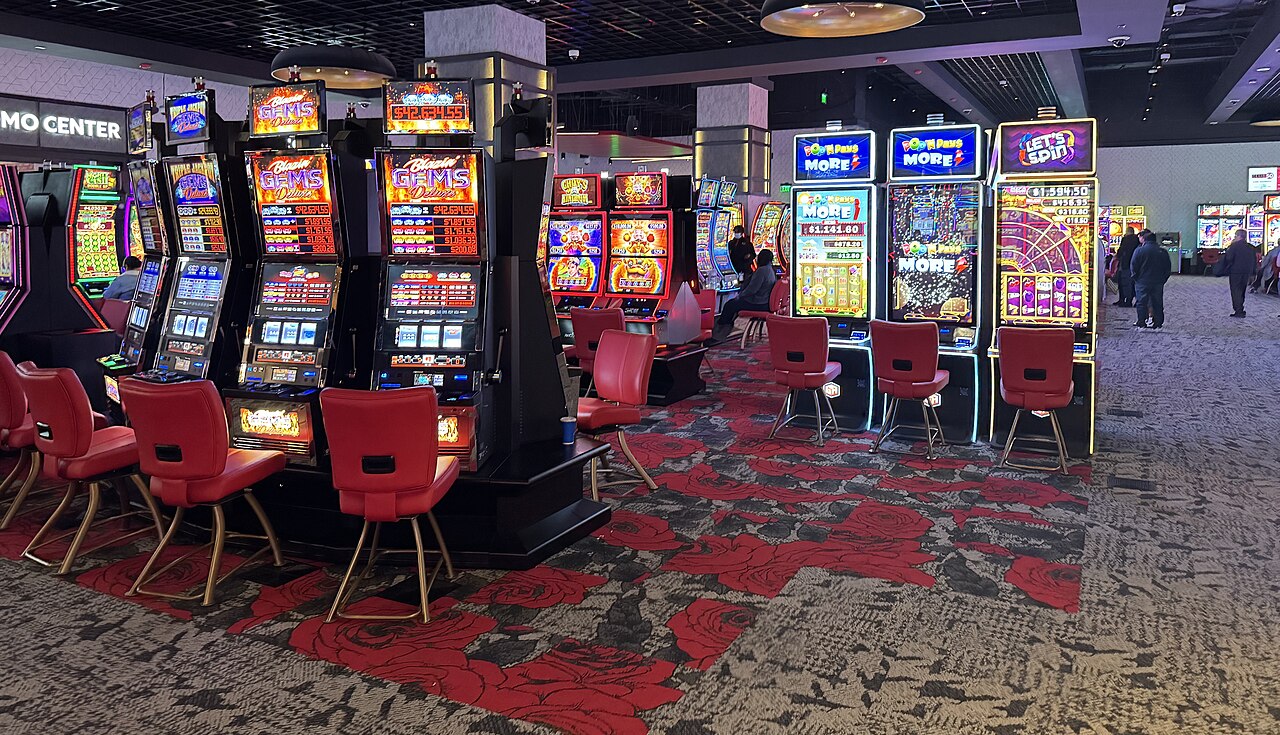
A progressive jackpot has to come from somewhere, and where it comes from is every spin every player makes. The pooled prize is funded by holding back a slice, which means the base game returns less than a comparable slot without a jackpot attached.
That is a straightforward trade: worse day-to-day returns for a remote chance at a life-changing one. Plenty of people want that trade and there is nothing wrong with taking it. What is worth avoiding is taking it without noticing, on the assumption that the jackpot is a free extra sitting on top of a normal game.
Almost everyone plays these on a handset, and the practical constraints are load time and battery rather than data. Each game downloads its graphics and audio the first time you open it, so the expensive moment is opening twenty titles in an evening rather than the spins themselves. Settling on one game and staying with it is easier on a daily pack.
Slots also sit oddly next to the games most Indian players grew up with. Teen Patti and Andar Bahar come with company, conversation and a pace set by people. A slot has none of that, which is exactly what some people want from it — but it also removes every natural place a session would otherwise pause.
Because slots are fast, they are the games where limits do the most work. Deposit limits, loss limits and session reminders are all in your account settings, and the sensible moment to set them is before you start rather than after a run of four hundred quiet spins.
It helps to decide the two numbers in advance: what an evening is allowed to cost, and how long it is allowed to last. The table at the top of this page turns the second into the first, which is the only genuinely useful thing anyone can tell you about slot strategy. The tools themselves are listed on responsible gaming, and the casino page compares the house edge on every game in the lobby if you would rather play something slower.
Anand's Friday train to Alappuzha shows a fifty-minute delay on the board, then an hour, and the tea stall on platform two has run out of everything except biscuits. He has half a metal bench, a phone at sixty-one per cent, and a group chat arguing about who is actually turning up for the wedding on Sunday. He opens the app mostly to have something to look at. There is ₹2,000 sitting in the wallet from a UPI transfer he made a fortnight ago and then forgot about.
He picks a game because the tile has a well-drawn elephant on it, which is roughly the amount of thought anybody gives that decision, and sets the stake to ₹20. Not ₹10, because ₹10 feels stingy. Not ₹100, because ₹100 feels like a decision. ₹20 feels like nothing at all, and that gap — between what a stake feels like and what it adds up to — is the one thing on this page worth carrying away.
There is no dealer, no betting timer and nobody else at the table, so the round is finished almost before it begins. His balance drops by ₹20 the instant his thumb lifts. The result is already settled at that moment; the reels turning on his screen are playback rather than a draw in progress. That is why the skip button exists, and why pressing it changes nothing at all except how quickly he arrives at the next ₹20.
Two symbols land, a third lands somewhere unhelpful, and the game plays a small triumphant noise for a win of ₹8. He is ₹12 down on a spin that sounded like a win. Slots do this constantly and it is not deception — a return below the stake is still a return, and the audio makes no distinction. A minute later he finds the turbo toggle, which trims the animation, and the pace roughly doubles. The odds on any single spin are untouched. What changes is how many of them fit inside a wait on platform two.
Say he keeps the ₹20 stake with turbo left on. The figure quoted at the top of this page for fast play is up to 600 spins an hour, so forty minutes comes to something like four hundred spins — about ₹8,000 pushed through the game, out of a wallet holding ₹2,000. The same rupees get staked over and over, which is precisely how a modest balance survives a large amount of turnover. At 96% RTP the expected cost of that turnover is roughly ₹320.
He will not lose ₹320. He will finish ₹600 up, or down the entire ₹2,000 with twenty minutes of the delay still to go, because four hundred spins is nowhere near long enough for an average to show itself. Averages appear across months of platform benches and waiting rooms, quietly, in the shape of a bank balance. What Anand can genuinely control is the ₹8,000, and the two dials that move it are the stake and the turbo toggle he found by accident.
Somewhere past spin three hundred he starts to feel the game owes him something. The free spins round advertised in the corner has not triggered once, and the balance has drifted from ₹2,000 to a little over ₹1,100 in the manner of a slow puncture. Nothing has gone wrong. On a feature averaging one trigger in two hundred spins, the second table on this page puts the chance of seeing nothing across four hundred at 13.5% — call it one session in seven. Sitting there longer does not improve the position either, since spin four hundred and one knows nothing whatsoever about the four hundred behind it.
None of that had anything to do with Kerala. The same two thousand titles, the same ₹10 minimum, the same return figure printed in the same information screen, whether the account was opened in Ernakulam, Ranchi, Surat or a village where the nearest ATM is a bus ride away. Money arrives through the UPI app already on the handset and goes back to the same bank account it came from. FairPlay India sets out the country-level detail — rupee handling, the payment rails and what the licensing arrangement means for a player sitting here.
A slot is also far lighter to run than a live table, because there is no camera feed involved. The game downloads its graphics once and then sends very little, which makes this the corner of the casino that behaves best on a patchy signal in a moving train. That is a real convenience, and given everything above, it is also the part most worth watching yourself around.
The idea that a metro account is shown a better catalogue keeps circulating. It is not true. One lobby, one list of games, one set of published returns, sorted identically for an account in Mumbai and an account in a district town nobody outside the district has heard of.
The door is simpler than most people expect. FairPlay register asks for a mobile number, sends a one-time code to that number, and has you choose a password on the spot. That is the entire form. You are looking at the lobby before anything else is requested — identity documents come up later, at the point money is due to leave, which is standard practice for a licensed operator and better expected than resented.
From then on every visit runs through the same FairPlay login screen: the registered number and the password you picked. Reset codes go to that same number, which is the practical argument for registering with the SIM you actually carry rather than a spare one living in a drawer at home.
Slots draw a particular species of fraud, because the game is a closed box and a closed box is easy to make claims about. The commonest is a downloadable predictor — an APK passed around in a chat, promising to read a slot and tell you when the feature is due. Everything above explains why such a thing cannot work. The outcome is settled on the server the moment you press, so there is nothing on your handset for any app to read. What the file does have is access to everything you type into that handset afterwards.
The second kind announces that a jackpot has landed in your name and asks for a processing fee, or a small verification deposit, before it can be released. Winnings are credited to the wallet and withdrawn from it; money is never paid in to get money out. The third is a friendly voice claiming to be from support, asking you to read back the one-time code on your screen so that a stuck payout can be pushed along. Nobody from support asks for a code or a password, on any channel, at any hour. The shared tell is a deadline and a link arriving in the same breath — real notifications report something that has happened, while frauds warn that something is about to expire. Close the message, open the app yourself, and put the question to support from inside the account, where nobody can pretend to be anybody.
The train pulled in at ten past nine and he stopped with around ₹1,300 left, which he counted as a decent evening mainly because he had decided nothing in advance and got lucky about the timetable. Seven days later he did the only thing that alters the arithmetic: stake back down to ₹10, turbo left off, and a deposit limit set on the account before he opened a game rather than after he closed one.
That is not a strategy in the sense people usually mean. There is no running order of spins, no lucky title, no moment at which a game becomes ready. There is a stake, a speed and a stopping point, and all three are far easier to settle on a bench with an hour to kill than they are three hundred spins into an evening. Slots are for adults aged 18 and over, and the sensible version of the night costs exactly what you decided it could cost before the reels first moved.
FAQ
RTP, volatility, jackpots and what a spin really costs.
Return to player is the share of everything staked that a game pays back over an enormous number of spins. A 96% RTP means a 4% house edge. The word doing the damage is 'staked' — RTP is measured per spin, not per hour or per deposit, so it tells you the cost of each individual bet and nothing at all about how many bets you are about to make.
Speed. A 96% RTP looks better than European roulette's 97.30%, but slots spin roughly fifteen times faster than a live roulette wheel. At ₹100 a round, fast slot play stakes about ₹60,000 an hour and expects to lose ₹2,400 of it, while a live roulette wheel stakes ₹4,000 and expects to lose ₹108. The per-bet cost is what gets advertised; the per-hour cost is what you actually pay.
About ₹6,000 an hour at full speed, with an expected loss of roughly ₹240 of it at 96% RTP. That gap between what a bet feels like and what an hour of it costs is the single most useful thing to understand about slots. Nobody thinks of themselves as betting ₹6,000 — but that is the number the maths runs on, and slowing down is the only setting that changes it.
Volatility describes how the same RTP is delivered. Low volatility pays small amounts often, so a balance drifts down slowly and predictably. High volatility pays rarely and larger, so the same money can vanish in twenty minutes or last all evening. Neither is better value — the RTP is the RTP. Pick low volatility if you want a long session from a set amount, high if you would rather have a small chance of something significant.
No. Every spin is generated independently, and the game has no memory of what came before. A slot that has paid nothing for three hundred spins is exactly as likely to pay on the next one as it was at the start. On a feature that triggers once in two hundred spins, there is still a 13.5% chance of nothing across four hundred spins — that is ordinary, not a machine holding back.
They are worth understanding before playing. The jackpot is funded by taking a slice of every spin, which means the base game pays back less than an equivalent non-progressive slot. You are trading a worse everyday return for a very small chance at a very large one. That can be a perfectly reasonable thing to want, but it is a trade rather than a bonus, and it is worth knowing which one you are making.
It changes what you pay for, not what you get. Buying the feature costs a fixed multiple of your stake and takes you straight into the round, and it is priced so that the house edge stays the same or gets slightly worse. What it definitely does is increase how fast you stake money, since you skip the base game entirely. Treat it as a speed setting rather than a strategy.
Far less than a video stream but more than a scores page, because each game loads its graphics and sound the first time you open it. The heavy part is the initial load rather than the spins. If you are on a daily pack, loading a game once and staying with it costs much less than moving between twenty different titles in an evening.
Explore FairPlay