
An exchange, not a bookmaker
Prices come from other customers backing and laying, and we take a commission on net winnings rather than building a margin into every price.
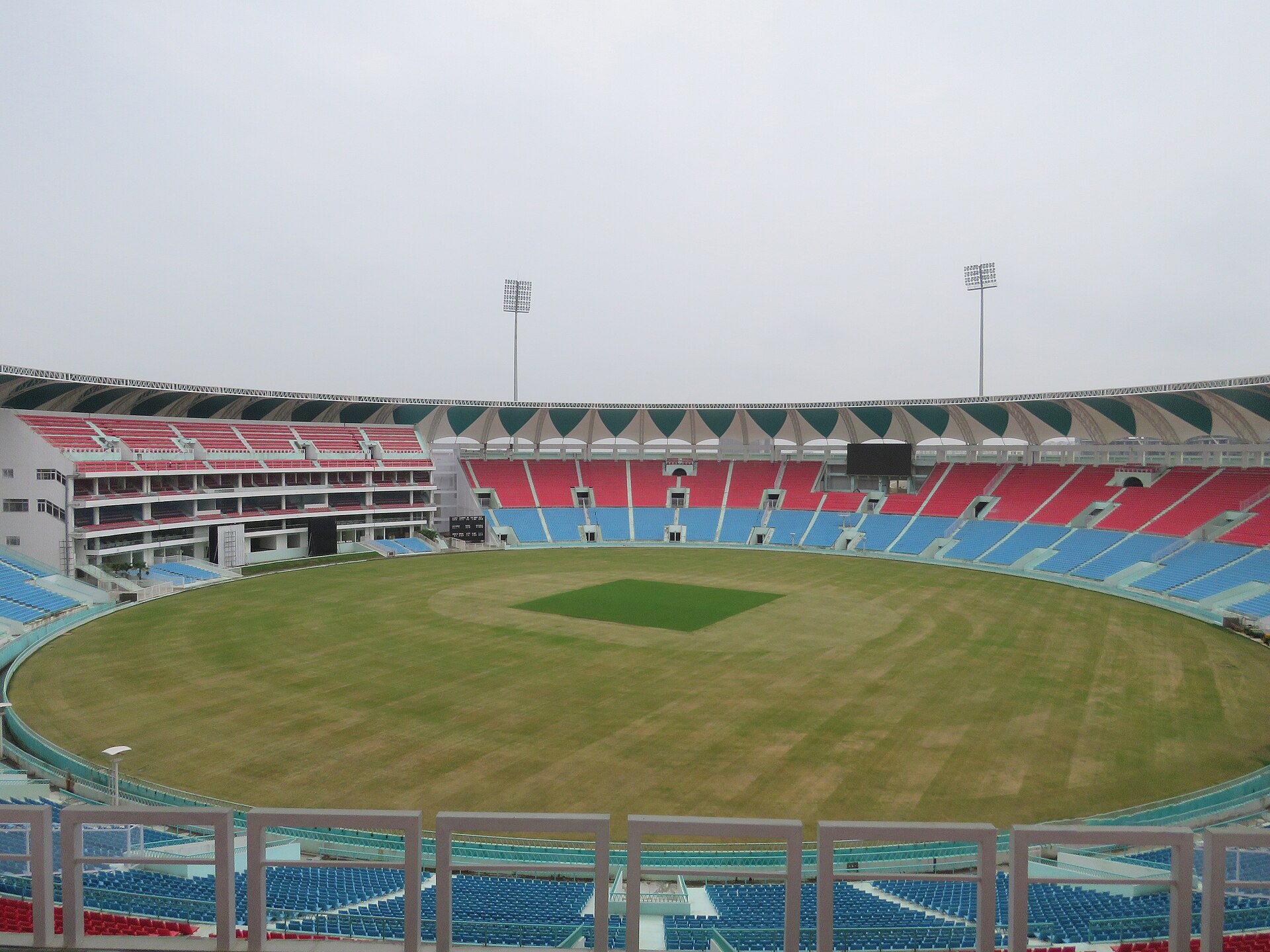
An exchange, built for India
We are an exchange, which means we do not take the other side of your bet. We match you with other customers and charge commission on winnings — so we can afford to tell you when a bet is bad value, and we do.
How We Write
Every row below is verifiable. Open the page named in the last column and the claim is either there or it is not.
| The rule | What it means in practice | Where to check |
|---|---|---|
| We publish the house edge | Every casino game states what it costs you, in a table | See the casino, roulette and blackjack pages |
| We show the working | Figures are derived and the derivation is written out, not asserted | Each-way break-even on racing, pot odds on poker |
| We name the bad bets | Insurance, the tie bet and 6:5 blackjack are called what they are | Blackjack and baccarat |
| We do not hype jackpots | Progressives are described as a trade, not a free extra | Slots |
| We say when another game is better | If a game suits you less, the page says so and points elsewhere | Blackjack sends non-strategy players to Andar Bahar |
| We never ask for an OTP | Support cannot and will not request a password, OTP or screen access | Customer support |
A gambling site that tells you the odds is unusual, and it should not be. Every one of those numbers exists whether or not we print it. Printing them means a customer who takes an expensive bet has actually chosen it. We would rather have customers who know what things cost than customers who find out afterwards — the first kind stays, and the second kind should not have to.

What We Are
The model, the rails it runs on, and the parts we deliberately made harder to undo.
Prices come from other customers backing and laying, and we take a commission on net winnings rather than building a margin into every price.
UPI deposits that clear in seconds, withdrawals to Indian bank accounts, and fixture times in IST rather than converted from somewhere else.
English and Hindi everywhere, with Marathi, Bengali, Telugu, Tamil, Kannada and Gujarati on live chat and WhatsApp.
The board is ordered the way an Indian sports page is ordered, with domestic and international cricket ahead of everything else.
A single FairPlay ID and one balance across every market and table, with no transfer step between them.
Deposit and session limits apply immediately and take a cooling-off period to raise. The delay is deliberate and we will not waive it.
A traditional bookmaker profits when customers lose. That is not a criticism, it is simply how the arrangement works — the operator takes the other side of the bet, and the margin is built into every price offered. An exchange is structured differently, and the difference runs further than most people expect.
Here, prices are made by customers. One person wants to back an outcome, another is willing to lay it, and the platform matches them and charges commission on net winnings. Nobody at FairPlay needs your selection to lose in order for the business to work.
That is why this site can publish a table showing that insurance at blackjack costs 6.80%, or that a 6:5 table roughly quadruples the house edge, without arguing itself out of a living. A bookmaker writing the same page would be talking customers out of its own margin. We are not, so we can simply write what is true. How backing and laying actually work is on the sports betting page.
Plenty of gambling sites quote a house edge. Rather fewer show where it came from. Across these pages the figures are derived and the derivation is printed — the reason every European roulette bet lands on exactly 2.70%, the arithmetic that makes an each-way bet lose on a placed horse below a certain price, the formula behind a pot-odds call.
This has a practical consequence we are happy to live with: when a number could not be verified, it does not appear. During the writing of this site an entire table was cut because the sample prices in it produced an impossible margin, which proved they had been invented rather than sourced. A missing table is a small cost. A plausible-looking wrong one is not.

A great many international products arrive in India with the serial numbers filed off — European fixtures at the top of the board, times converted from somewhere else, card payments that do not work here, and support in one language.
This is built the other way round. Cricket leads because cricket leads. Fixtures are listed in IST because that is the clock people actually live on, which is also why our pages point out that European kick-off times shift twice a year while IST never does. Deposits run on UPI and Indian rails because that is what people use. Support is staffed in eight languages because explaining a payment problem in a second language is a difficulty nobody should have to add to a bad day.
Deposit limits, loss limits, session reminders and self-exclusion are all in your account settings. Reducing a limit takes effect straight away. Raising one takes a cooling-off period, and support genuinely cannot shorten it — not as policy theatre, but because a limit that can be lifted at the exact moment you most want it lifted is not doing anything at all.
We would rather be occasionally frustrating than useless. The full set of tools, and how each behaves, is on responsible gaming.
Some limits are worth stating plainly. We cannot reverse a settled bet because the result was disappointing. We cannot speed up a bank once a payment has left our side. We cannot lift a self-exclusion early. And we cannot tell you whether betting is permitted where you are — that depends on the law in your state and on where you are physically located, it has changed more than once, and the India page is a map of the position rather than permission to act on it.
If something has gone wrong, the fastest route to a fix is live chat with the right reference number in the first message — customer support lists exactly what to send for each kind of problem.
My neighbour's son does a BCom in the mornings and argues about cricket for the rest of the day. In September he screenshotted one line off our blackjack page — the bit saying insurance carries a 6.80% house edge — and dropped it into a group chat with three question marks after it. His reading was that a betting site telling you a bet is bad had to be setting up a longer con. He had ₹500 sitting in his account at the time, put there mostly to find out whether a withdrawal would really arrive.
He did not ask me. He opened live chat and put it to the agent directly: what is the catch. The reply he pasted back into the group was three sentences long and came down to a single point. The house edge on insurance is a fact about the game rather than a policy anybody here chose, and the money this business makes does not come from him losing that particular bet. He read it twice, typed "achha", and then asked the far better follow-up question, which is the one this page exists to answer. Where does the money come from, then.
Take his ₹500. Say he backs an outcome at 1.80 and it comes in. He is owed ₹400 of profit on top of his stake coming back to him. Commission is charged against that ₹400 — against the winnings, and only where there are winnings. Had the bet gone the other way there is nothing to take a share of, because a loss has no share in it to take.
Then look at who actually paid him. Not the platform. Somebody else with an account was willing to lay that outcome at that price, and their money is what settles into his balance. FairPlay sat in the middle, matched the two of them and kept a slice of the profit on whichever side came out ahead. Change your mind about a price and the same machinery runs the other way round: you can lay a selection here as readily as back one, because laying is not a bolted-on extra feature. It is the other half of every bet that already exists.
That structure is the only reason the awkward sentences elsewhere on this site are affordable. Saying out loud that the tie bet at baccarat costs 14.36% does not eat into a margin anybody was relying on, because no margin was built into the price to begin with. It costs us one bet a customer was going to regret.
The boy lives somewhere the nearest thing to a betting shop is a man with a notebook outside the ground. None of that changes how his account behaves. There is one board, one set of prices and one balance, and it does not know or care which pin code the phone is standing in. Somebody opening the app in a Bengaluru flat and somebody opening it above a chemist's shop four hundred kilometres away get the same fixture list, the same back and lay prices, the same UPI deposit and the same commission on winnings.
What does vary is the law, and it varies by state rather than by the size of your town. FairPlay India lays out that position state by state, alongside the practical business of Indian payment rails, IST kick-off times and which languages chat is staffed in. Treat it as a map of where things currently stand, not as a permission slip.
Registering is shorter than most people brace themselves for. A mobile number, the OTP that lands on it, and a password you pick yourself at that moment — that is the account. Nobody telephones you to finish it off, and no form asks for a card before you have even seen the board. FairPlay register walks through the fields in the order they appear.
Every visit after that runs through one screen: the number you registered with, and the password you set. Not a fresh code each time, not a second sign-up. If the password has gone the way most passwords go, the reset works off an OTP to that same registered number, which is precisely why the number matters more than people assume it does. FairPlay login covers the reset and the two or three things that usually trip people up.
A fortnight after all this, the same boy took a call from a number claiming to be an account team. A withdrawal of his was stuck, the caller said, and read back the last four digits of a bank account to prove they knew him. Then came the request: the OTP that had just arrived on his phone, framed as a verification step. He hung up, which was the right answer, and the balance he did not lose was rather more than the ₹500 he had ever deposited.
The tell is never the accent or the number it came from. The tell is the request itself. An agent can already see your account, your open bets and your pending payments, so an OTP, a password or remote control of your screen adds nothing an agent could possibly need — those three things are useful only to somebody who is not looking at your account. The same logic applies to a payment link forwarded over WhatsApp, however convincing the logo sitting on it. Deposits happen inside the app, and no genuine one has ever arrived as a forwarded link. Begin support conversations from inside the app rather than from a number found in search results and this entire category of problem stops existing.
Most About pages are a list of adjectives a company has applied to itself. This one is largely mechanics, because the questions people actually turn up with are mechanical ones. Who pays me, what do you take out of it, what can you not do for me, and what will you never ask me for. The boy is still betting small amounts and still sends screenshots into that group chat with far too many question marks attached. He has stopped asking what the catch is.
FAQ
The model, the money, the languages and the limits.
A traditional bookmaker sets a price, takes the other side of your bet and profits when you lose. An exchange does neither. It matches customers who want to back an outcome with customers willing to lay it, and charges a commission on net winnings. That difference is structural rather than cosmetic — it is why you can lay a selection here as easily as back one, and why the price you see comes from other people's opinions rather than from a margin built in against you.
Commission on net winnings in the exchange, and the published house edge in the casino. Both are stated rather than hidden, which is deliberate. A customer who understands what a product costs makes better decisions and stays longer than one who is surprised later, and we would rather have the second kind of relationship than the first.
Because it is true, and because the alternative is worse for everyone. Insurance at blackjack carries a 6.80% house edge, the tie bet at baccarat 14.36%, and a 6:5 blackjack table quietly costs about four times a 3:2 one. Those numbers exist whether or not we print them. Printing them means a customer who takes the bet anyway has chosen it, and a customer who avoids it keeps money they would otherwise have lost — which is a better outcome for them and a perfectly sustainable one for us.
They are calculated, not collected. The house edge on every European roulette bet, the break-even price on an each-way bet, the pot odds tables on poker, the data cost of an hour of streaming — each is derived from first principles and the derivation is written out on the page so you can check it. Where a figure could not be verified, it is not published; where a rule of thumb stops being accurate, we say where.
Live chat and WhatsApp are staffed in English and Hindi at all hours, with Marathi, Bengali, Telugu, Tamil, Kannada and Gujarati also available. Deposits run on UPI through any app, along with net banking and the wallets Indian customers actually use, and withdrawals go back to the bank account matching your verified details.
Your password, an OTP, or permission to view or control your screen. Agents can see your account without any of those, so there is no legitimate reason to request them. Anyone who does is not from FairPlay regardless of what number they called from, and the safest habit is to start every support conversation from inside the app rather than from a number found in search results.
Yes, and they are designed to be difficult to reverse. Deposit limits, loss limits, session reminders and self-exclusion are all in your account settings. Lowering a limit takes effect immediately; raising one takes a cooling-off period, and support cannot shorten it. That is not an inconvenience we have failed to fix — it is the entire mechanism, because a limit you can remove in the moment you most want to remove it is not a limit.
India regulates online real-money gaming state by state rather than through one national law, and several states take a notably more restrictive position than others. What applies to you depends on the rules currently in force where you are physically located, and that position has changed more than once. Our India page sets out the picture state by state, but it is a map rather than a permission — confirm your own position before betting. Accounts are for adults aged 18 and over.
Explore FairPlay