
Betting on a city that plays everything
Most Indian cities have one sport that matters and a few that fill the gaps. Mumbai has a Test ground, a second Test ground round the corner, a racecourse on some of the most valuable land in the country, a Pro Kabaddi franchise and an ISL club — and a monsoon that shuts half of it down for four months a year.
A Sunday in March, somewhere past Ghatkopar
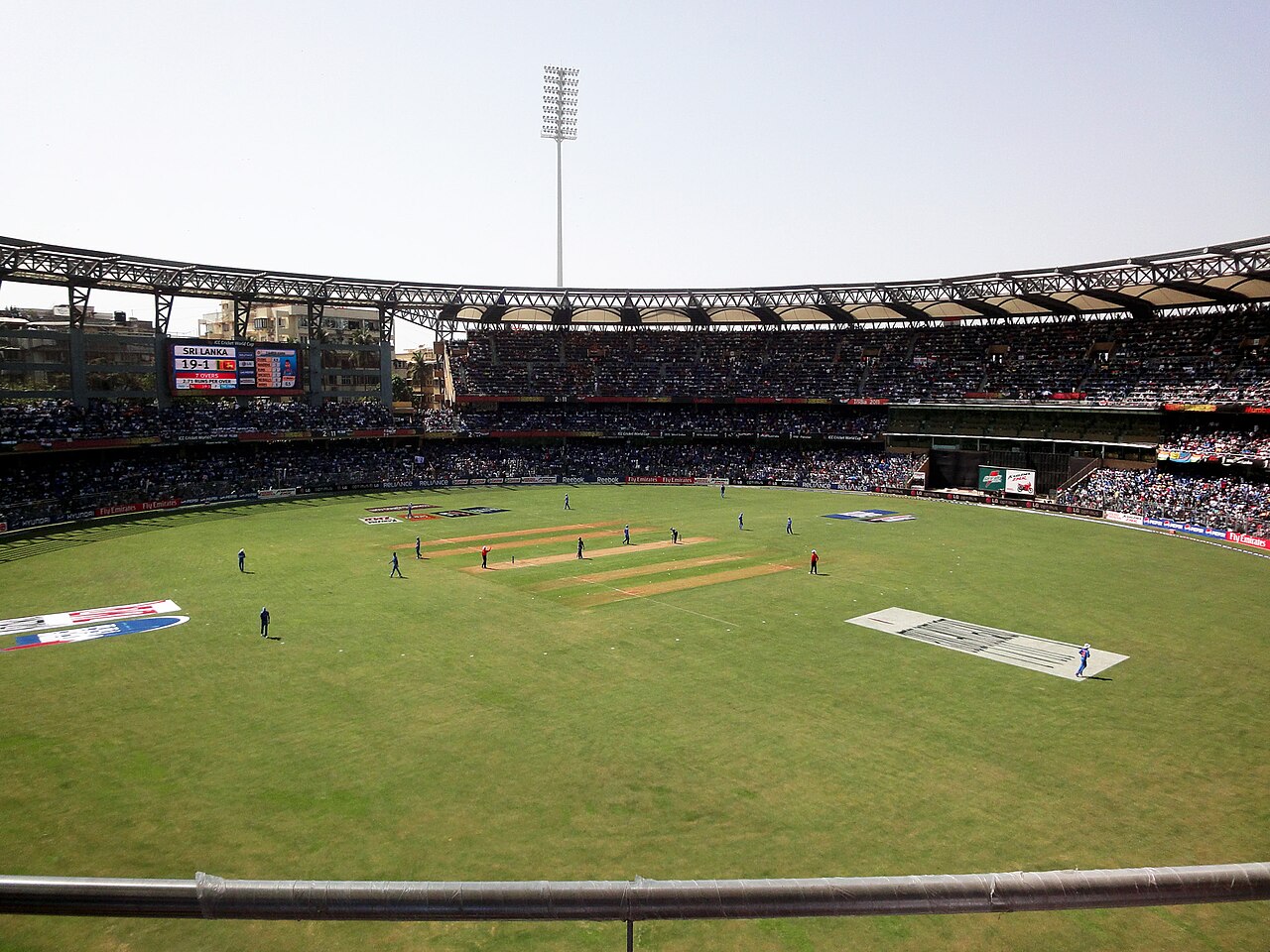
My neighbour Kiran does a sales job off Senapati Bapat Marg and lives in Mulund, which on a kind evening is fifty minutes on the slow line and on an unkind one is anybody's guess. Last March he was standing by the door of a Thane-bound train with one arm hooked round the pole, watching the toss on his phone with the volume off because there was no chance of hearing anything over the compartment. Mumbai won it at the Wankhede and put the other side in. He read the captain's lips more than he heard him.
By the time the train pulled out of Bhandup he had opened his account, seen a balance of a little under ₹1,400, and put ₹500 on the side batting second at whatever the price was in that moment. Somewhere near evens, he thinks, though he did not write it down and nor would I have. Then the phone buzzed twice: once with a bank message confirming a ₹500 UPI debit he had made an hour earlier at a chemist near the office, which gave him a short and unnecessary fright, and once with a message in the building's cricket group from a man on the fourth floor who had backed the other lot and wanted the whole group to know.
He reached home during the eleventh over of the first innings. He was not watching the score. He was watching the fielders, waiting for the first one to wipe his hands on a towel.
The dew at the Wankhede is a betting factor, not a detail
Coastal humidity and a 7:30 PM start combine into something quite reliable. Around the tenth over of the second innings, dew settles across the outfield. The ball comes off the surface faster, the spinners struggle to grip it, and the side batting second gets a genuine advantage that was not there at the toss.
This is why Mumbai captains who win the toss so often choose to bowl, and why a total that looked competitive at the innings break regularly is not. If you take one habit into a Wankhede match, make it waiting for the toss before touching the match odds market.
What actually happens when you back a chase here
The towel is the whole story, and it is why Kiran's ₹500 was never really a bet on a team. It was a bet on the weather doing what it usually does.
The sequence runs like this. The toss goes at about seven for a 7:30 start, and the market answers it within seconds. A captain choosing to bowl at this ground shortens the chasing side's price straight away, because everybody watching already knows what the second innings tends to look like. So the number you get at 7:02 is usually worse than the one you could have taken at 6:50 on a guess, and better than the one you will be offered at 9:30. That is not a trick. It is just information arriving.
Through the first innings the price drifts along with the runs, which is ordinary enough and happens at every ground in the country. The part that belongs to Mumbai comes at the innings break and in the twenty minutes after it. Somewhere in the first ten overs of the chase the outfield begins to hold water. You can see it before the scoreboard shows it: throws start skidding through to the keeper, a seamer asks for a towel between deliveries, the spinner has a long and unhappy conversation with his captain about which end he would rather have.
Say the chasing side is trading at 1.90 at the innings break, with a target that looked about par when the innings finished. If the dew turns up on schedule, that price can be a good deal shorter by the fifteenth over without a single stroke that made anybody sit up. No wickets have fallen. Nothing dramatic has happened. The market is simply repricing a ball that has stopped gripping, and it does that quicker than most people watching adjust their own opinion of the game.
Kiran's two habits now cost him nothing and took two bad nights to learn. He does not touch match odds before the toss, and he does not form a view on a first-innings total until he has watched five overs of the reply. Everything else — the fancy markets, the top batsman prices, the in-play screen — sits on top of those two.
Trains, kick-off times and the shape of a Mumbai betting week
There is a rhythm here that anyone who commutes in this city will recognise instantly. Weeknight cricket starts at 7:30, which for most of south and central Mumbai means the first six overs happen standing up, on a train or in an auto crawling along the Western Express. ISL kick-offs at Andheri drop into the same slot. European football does not begin until eleven, by which time the trains have thinned out and the flat has gone quiet.
That shape has one consequence worth saying out loud. The bets people regret are almost always the ones placed on a moving train, in the ninety seconds between the toss and Marine Lines, with a bag on one shoulder. Nothing about the app pushes anybody into that. It is just what a phone does to your judgement in a crowded compartment. The people who handle this well tend to decide what they are backing before they leave the office, and then place it — or quietly decide not to — once they are sitting down somewhere.
Mahalaxmi runs on a season, and seasons reward study
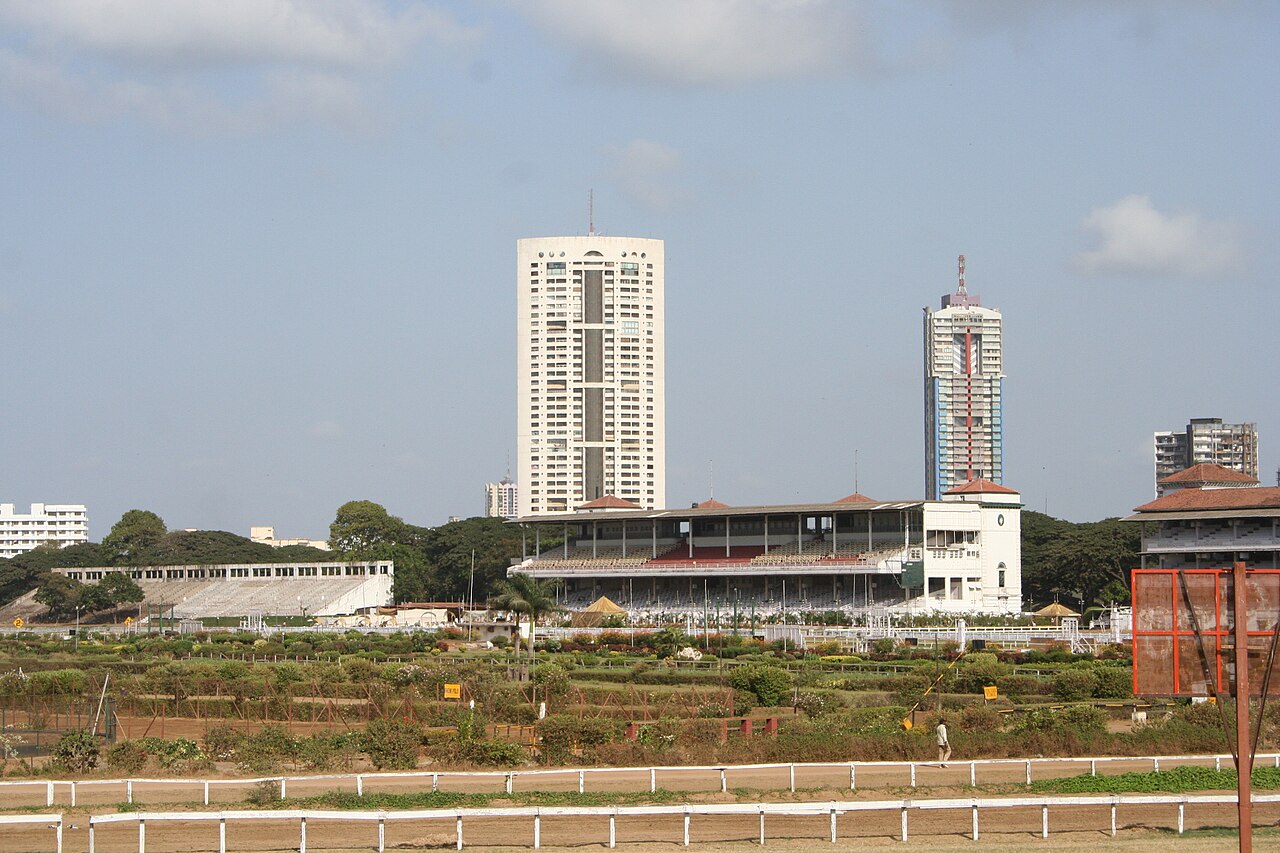
The Royal Western India Turf Club races at Mahalaxmi from around November to April, building to the Indian Derby in February. What makes it worth following is not the glamour of the Derby but the repetition: the same horses, trainers and jockeys meet over and over on the same track across a season.
That repetition is exactly what makes form reading pay. You build a picture of which runners handle the Mahalaxmi turf, which trainers place their horses well, and which ones flatter to deceive. Very few people do this work, which is precisely why it is worth doing — the racing page covers how to read a card.
Four months when the city stops, and one league that does not
From June the rain arrives and the professional calendar empties. Racing relocates to Pune, where soft monsoon going produces a different set of winners entirely. International cricket goes elsewhere.
What continues is club cricket. The Kanga League has been played through Mumbai monsoons since the 1940s, on wet and often matting wickets, and it is a large part of why the city produces the batters it does. Nobody is betting on it, but understanding that Mumbai cricketers grow up facing a moving ball on a damp Azad Maidan pitch explains something about how they play when conditions turn.
Kabaddi is the indoor exception
U Mumba play at the NSCI Dome in Worli, and because kabaddi is indoors the weather is irrelevant to it. The Pro Kabaddi season sits between October and December, after the rain and before the racing season peaks.
For a Mumbai bettor that is genuinely useful scheduling. It fills the gap between the end of the IPL and the heart of the winter racing calendar with a league that has thin markets and a strong local following — the combination where knowledge is worth most.
Late nights, and why UPI matters here
Mumbai keeps late hours. ISL kick-offs at 7:30, European football from 11 PM, and a Derby-week racing crowd that carries on long after the last race. A good share of the city's betting happens well outside banking hours.
That is the practical reason UPI dominates here over NEFT or net banking — it behaves identically at 1 AM and 1 PM, and payouts clear on the same basis. If most of your betting happens after midnight, it is also worth setting a deposit limit during the day, when the decision is easier to make well.
Using the account, in Mumbai and everywhere else
Everything above is local colour — grounds, dew, a racing season that belongs to one sea-facing patch of land. The account itself is not local at all, and it is worth being clear about where the city ends and the ordinary machinery begins.
The same account, from Nariman Point to Nashik
Kiran's brother-in-law lives in Nashik and runs exactly the same setup. The two of them argue about the Mumbai Indians middle order over the phone with identical prices in front of them, which is either useful or infuriating depending on who was right. The markets, the balance, the deposit methods and the withdrawal route do not change because the pin code does. Somebody opening an account on a two-street road in Vidarbha is looking at the screen a person in Cuffe Parade is looking at.
What does change is small and practical. Network quality varies, so the app earns its keep more on a thin signal than it does on fibre in a Worli flat. Language preference varies — Marathi in one household, Hindi in the next, English in the third, and support is staffed for all three. Match timings do not vary at all, which is why a 7:30 start is a national habit rather than a Mumbai one. The wider picture of how one account behaves across states, and what stays constant when you move, sits on FairPlay India — and the state-level view of this one is on Maharashtra.
If you have not opened an account yet
For a reader who has never done any of this, the first step is shorter than most people assume, and saying so plainly saves a week of putting it off. Registration asks for a mobile number. An OTP arrives on that number. You choose a password at that point — not later, not through a link in an email — and the account exists. Verification of your details comes before your first withdrawal, which is the bit people postpone and then find themselves doing at eleven at night with a payout waiting on the other side of it.
Every visit after that runs through the same screen: the number you registered with, and the password you chose while the OTP was still on the phone. There is no second account, no separate set of credentials for casino and sportsbook, no third thing to remember. If the password goes missing, recovery routes back through an OTP on that same number — which is the real reason it matters that the number is one you still use, rather than an old office SIM sitting in a drawer at home.
The step-by-step of the first part is on FairPlay register, and the sign-in side, including what to try when the OTP is slow, is on FairPlay login. Read the note higher up this page about Maharashtra before you start, and check it against something current rather than something you were told.
Two messages you will be sent eventually
Anything with a following in this city gets impersonated, and betting sites are no exception. Two versions come round often enough that they are worth describing before you meet one, because both are far easier to spot in advance than in the moment.
The first turns up in a cricket group — the sort with two hundred members and one extremely confident admin. A payment link gets shared, usually right after a match starts, framed as a quicker way to top up before the innings break. The page it opens looks close enough to the real thing at a glance on a small screen. The tell is the address bar and nothing else. A genuine deposit begins inside the app, or on the site you signed into yourself, never from a link somebody forwarded. If you did not start the journey, do not finish it.
The second is a phone call, and it is the more persuasive of the two because the person is polite and the timing is good. Somebody says they are from the payments desk, says a withdrawal has been held for a check, and asks you to read back the code that is about to land on your phone. The code does land, which is what makes it feel real — it arrives because the caller has just tried to get into your account and triggered it. Nobody who genuinely works on payments will ever ask for an OTP or a password. There is no escalation, no verification step and no exception where that request is legitimate.
If either one reaches you, the answer is the same and it is deliberately boring. Close the message, put the phone down on the caller, open the app yourself and ask live chat. Losing four minutes to a false alarm is a far better evening than the alternative, and the support desk would much rather hear from you about a message that turned out to be nothing.