
Three sides, one competition
Match odds, session and innings markets across Mumbai, Maharashtra and Vidarbha through the domestic season.
Marathi support · Instant UPI
One state, three first-class cricket sides, two racecourses run by the same club on opposite halves of the year, and two Pro Kabaddi franchises that play each other. Nowhere else in India puts that much on one page.
Three Sides, One State
Almost every state sends one team to the Ranji Trophy. This one sends three — a distinction it shares only with Gujarat — and they are genuinely different propositions to bet on.
| Side | Based | What it is | What that means for pricing |
|---|---|---|---|
| Mumbai | Mumbai | The most successful team in Ranji Trophy history, with more than forty titles | Deep squads and a winning habit, so the market rarely offers value against them at home |
| Maharashtra | Pune | The state's second first-class side, playing out of Pune and the surrounding districts | Squad turnover is higher, which makes recent team news worth more than reputation |
| Vidarbha | Nagpur | Won the Ranji Trophy in back-to-back seasons in 2017-18 and 2018-19 | The clearest recent proof that domestic prices can lag a side's actual strength |
Vidarbha is the case worth remembering. A side from Nagpur, without Mumbai's history or its production line, won the Ranji Trophy in consecutive seasons. For two full years the market's idea of who they were trailed what they actually were — which is the single clearest argument that domestic cricket rewards paying attention in a way the IPL rarely does.
The Maharashtra Year
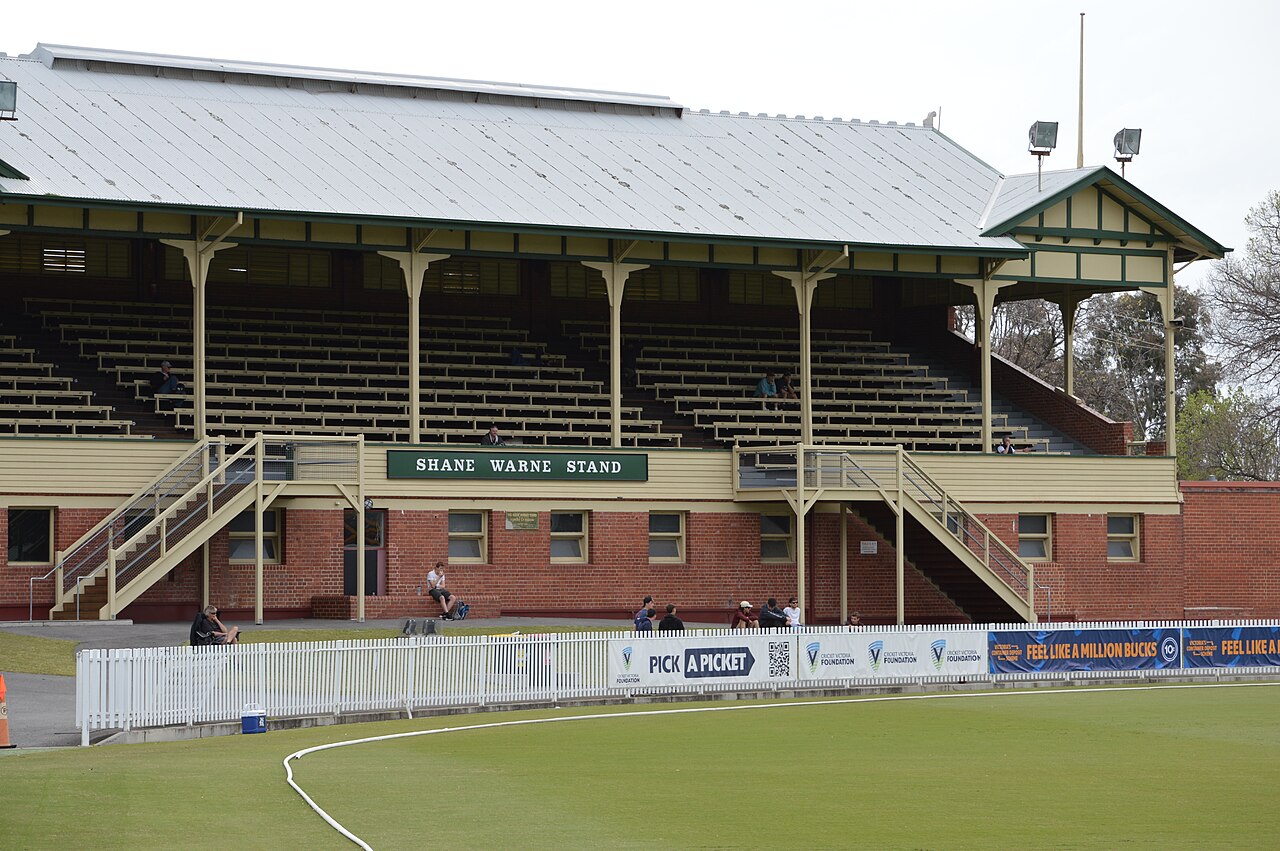
Two racing seasons, three cricket sides, two international grounds and a kabaddi derby, spread across the state rather than concentrated in one city.
| What | Where | When | Why it matters |
|---|---|---|---|
| Mahalaxmi racing | Mumbai | November to April | The winter half of the state's racing year, run by the same club that stages Pune. |
| Pune racing | Pune | July to October | The monsoon half. Between the two, Maharashtra has racing for most of the calendar. |
| Pro Kabaddi derby | U Mumba v Puneri Paltan | Twice a season | Two franchises from one state, which makes this the most heavily backed kabaddi fixture in Maharashtra. |
| Ranji Trophy | Mumbai, Pune, Nagpur | Roughly October to March | Three state sides in one competition, sometimes drawn against each other. |
| IPL | Wankhede and Gahunje | March to May | Mumbai Indians at the Wankhede, with tournament fixtures also staged in Pune. |
| Test cricket | Wankhede and VCA Nagpur | Winter months | Two international venues in one state, on pitches that behave quite differently. |
For Maharashtra Players
Every fixture in the state on one account, with Marathi on chat and banking built for Indian rails.
Match odds, session and innings markets across Mumbai, Maharashtra and Vidarbha through the domestic season.
Win, place, each-way, forecast and tanala on Mahalaxmi and Pune cards, with place terms shown on every market.
Full Pro Kabaddi coverage on both state franchises, including the derby, with in-play raid and tackle markets.
Support in Marathi on live chat and WhatsApp wherever in the state you are, alongside Hindi and English.
Indian Super League fixtures in the evening and European leagues through the night, on one account.
Deposits clear in seconds from any UPI app, and withdrawals return to the bank account matching your verified details.
Maharashtra is unusual in Indian sport not because of any one venue but because of how much sits inside its borders at once. Three first-class cricket sides, two international grounds, two racecourses under one club, and two kabaddi franchises that meet twice a season. Most states have one of each, if that.
An IPL match is priced by an enormous number of people with access to the same information, and the chance of knowing something the market has missed is close to nil. A Ranji fixture is not like that. Fewer people are watching, fewer are pricing it, and squad news travels more slowly.
That is where following three state sides properly turns into something useful. Knowing that a side is missing two seamers, or that a young batter has come into form in the weeks before a fixture, is worth considerably more in a thin market than the same knowledge would be in a heavily traded one. Domestic and first-class markets are set out on the cricket page.
The state has two international venues and they do not behave the same way. Treating a total that was par in Mumbai as par in Nagpur is the sort of assumption that quietly costs money over a season, because the pitch, the outfield and the boundaries are all different.
The general point is worth holding on to: ground conditions matter more than state lines. Two venues in the same state can ask completely different questions of a batting side, and a totals market should be priced off the venue rather than off the region it happens to sit in.
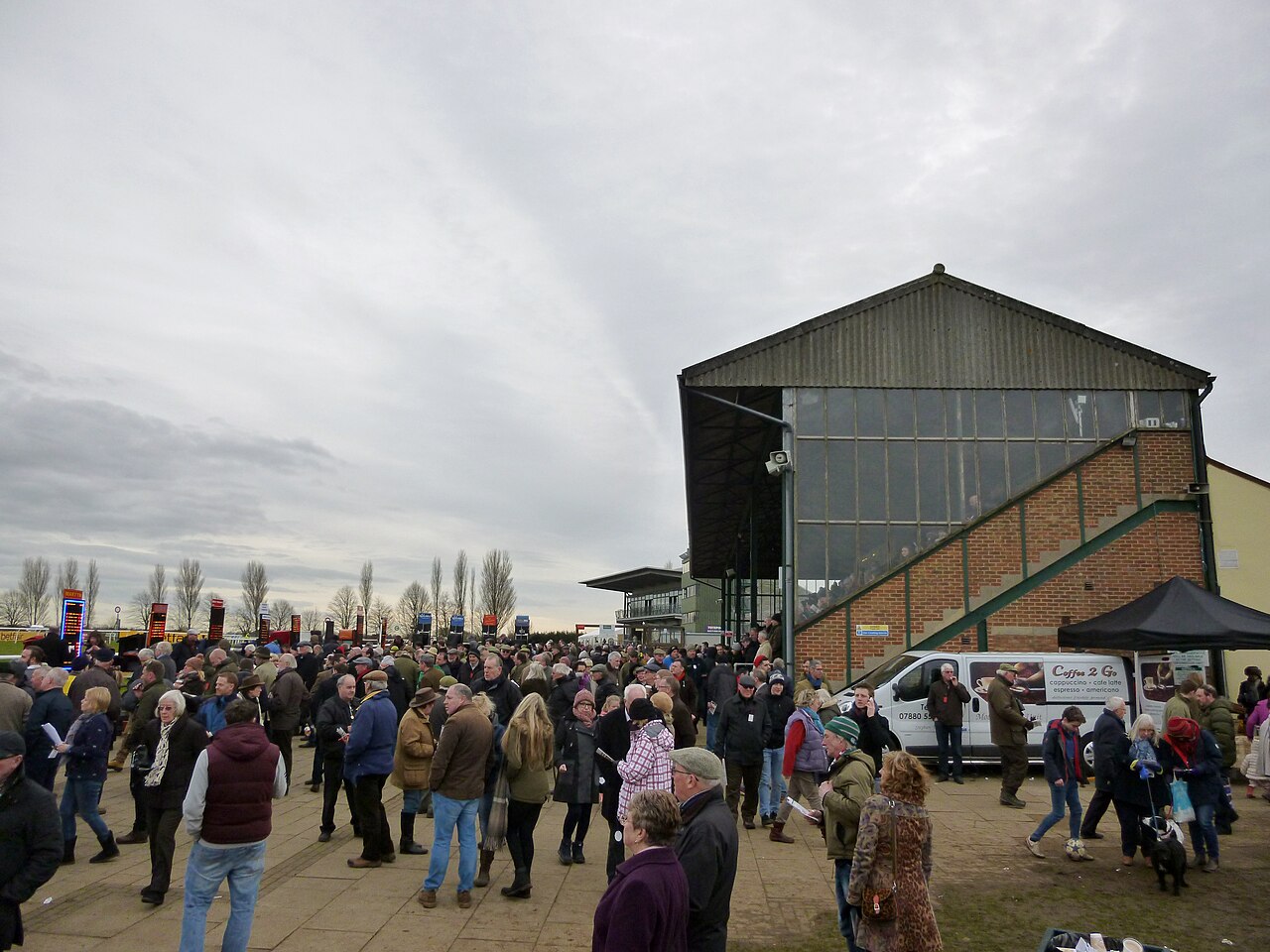
The Royal Western India Turf Club stages Mahalaxmi in Mumbai through the winter, from November to April, then moves to Pune for the monsoon months of July to October. The two are halves of a single calendar rather than rivals, which is why Maharashtra almost always has a card running somewhere.
The two courses ask different things of a horse, and what rain-affected ground does to form is covered in detail on the Pune page. If you have never bet a card at all, start with the each-way arithmetic on the horse racing page — it is the bet most newcomers get wrong, and the mistake is expensive.
U Mumba and Puneri Paltan both draw their support from Maharashtra, so when they meet the fixture divides workplaces and families rather than cities. It attracts the heaviest kabaddi money in the state by a distance.
For betting that cuts both ways. More money means tighter prices and less room for a soft line, but it also means deeper liquidity — so if you want to trade out of a position at half time rather than ride it to the end, this is the fixture where that is easiest. Markets and terms are on the kabaddi page, and in-play betting covers closing a position mid-match.
A single FairPlay ID covers both racecourses, all three cricket sides, both kabaddi franchises and every casino table, with one wallet and no transfers between them. UPI deposits clear in seconds, and withdrawals return to the bank account matching your verified details.
Marathi is staffed on live chat and WhatsApp across the state at any hour, alongside Hindi and English. Before a first withdrawal, check that the name on your bank account matches your FairPlay account exactly — it is the most common reason a payout waits, and the withdrawal page explains what is being compared.
Sameer fits tyres at a shop on the highway outside Nashik. One Thursday in late September he got home close to nine, wet to the knees, because the last two hundred metres of his walk floods every monsoon and nobody has ever fixed the drain. He ate standing at the kitchen counter. The fan was doing its slow wobble, the way it does when the voltage sags. On his phone he had ₹600, moved across by UPI the previous Sunday, and a Pune card was still running, because that is where racing in this state sits during the wet months.
He did not bet the first two races. He almost never does. He watched them, read the changes, and let his tea go cold. His cousin in Nagpur was busy in a group chat arguing about a Vidarbha batting collapse from two seasons earlier, and half the messages were voice notes nobody was ever going to play. Somewhere around the fourth race Sameer put ₹200 on a horse he had backed twice before that year. It lost. He sent the group a one-word reply and went to bed. That is the honest shape of most evenings, and it is worth saying plainly, because the version people usually write about involves a great deal more shouting.
The mechanic underneath that evening is simpler than it looks from outside. When Sameer tapped a price, nothing left his balance while he was still deciding. A stake sits in the slip until it is confirmed, and the price shown is the one being offered at that second rather than an average of the evening. Say the horse is displaying 4.50 and the stake is ₹200: the slip shows the return a winner would come to before anything is committed, and if the price shortens while his thumb is over the button, the slip tells him it has shifted instead of quietly accepting the worse number.
Once he confirms, that ₹200 leaves the same wallet his UPI deposit landed in. There is no separate racing balance and no transfer step between racing and the rest of the account. The bet takes a reference, sits under open bets until the result is official, then settles. A loser closes. A winner returns to that one wallet, and from there it either stays for the next card or goes back to a bank account carrying the same name as the FairPlay account. That final step is the only place in the chain where people commonly get stuck, and it is a name-matching problem rather than a technical one.
There is a moment each autumn that regulars here notice and nobody announces. The Pune season winds down, Mahalaxmi picks up, and from the account side absolutely nothing happens. You do not shift a balance, verify again, or open anything new. The list of cards simply changes which city it is arriving from. The reverse happens in the summer. That is the practical reward for one club running both courses: the stretch where somebody in Kolhapur or Solapur has no racing at all to look at is far shorter here than in most of the country.
None of this is plumbing peculiar to Maharashtra. Somebody opening an account in Nagpur and somebody opening one in Nashik go through identical screens, see the same markets and use the same deposit rails as a person sitting in a metro. There is no city edition of the product and no state edition of it, so a Thane postcode buys nothing a Solapur one does not already have: the same odds, the same wallet, the same UPI rails and the same settlement rules. What stays fixed there is how the product itself works. What the rules where you are physically located allow you to do with it is a separate question, and one to check for yourself rather than assume. The national picture behind every local page like this one is set out on FairPlay India.
Registering takes less than people expect. A mobile number goes in first, an OTP lands on that handset a moment later, and the password is one you settle on right there at the keypad. That is the whole of it. Nothing in the process assumes you already know a thing about racing or the Ranji Trophy. The FairPlay register page walks through those screens in order if you would rather read them before starting.
Every visit afterwards comes through the same door. That number and the password you picked bring back the same wallet, the same open bets and the same settled history, whether you are on a phone in Nagpur or a laptop in Thane. If a password stops working, the FairPlay login page carries the reset route, and it runs through your registered mobile number rather than anything a stranger could guess at.
Any platform with a large Indian following gets impersonated, and the state's Marathi and Hindi group chats are a convenient place to try it. Two attempts are worth learning to recognise, and both turn on the same weakness.
The first is a caller who says he is ringing from verification. He sounds calm and procedural, he uses your first name, and he asks you to read back the code that has just landed on your phone. Nobody working for a payment or betting platform ever needs that code, because the code exists purely to prove the handset belongs to you. The second is a link: a message claiming a withdrawal has failed and must be re-submitted here, or that a deposit is stuck and needs confirming again. The tell is the address it points at, which will be a lookalike domain rather than the site you actually sign in to. Sameer got one of those on a Sunday and came close to tapping it, because it arrived twenty minutes after a genuine deposit had gone through. Real support asks for none of this. If a message wants your password or a one-time code, that alone settles the matter, whoever it claims to be.
FAQ
Three Ranji sides, two racecourses, the kabaddi derby and Marathi support.
History and cricketing depth rather than administrative tidiness. Mumbai, Maharashtra and Vidarbha are separate first-class sides representing different parts of the same state. Only Gujarat matches that, fielding Saurashtra, Baroda and Gujarat — every other state sends one. Mumbai alone has more Ranji titles than most states have had competitive seasons, and Vidarbha, out of Nagpur, won the trophy in consecutive years in 2017-18 and 2018-19.
It rewards knowledge more than the international game does, because the markets are thinner and fewer people are pricing them carefully. Vidarbha's back-to-back titles are the clearest illustration — a side whose strength was ahead of its reputation for two full seasons. If you follow the domestic game closely, that gap between what a team is and what the market thinks it is turns up far more often here than in the IPL.
One club runs both. The Royal Western India Turf Club stages Mahalaxmi in Mumbai from November to April and moves to Pune from July to October, so the two seasons complement each other rather than compete. The practical effect is that Maharashtra has racing available for most of the year, which no other Indian state can offer from a single club's calendar.
Both franchises draw their support from the same state, so the derby splits households and workplaces in a way an inter-state fixture does not. It reliably attracts the heaviest kabaddi money in Maharashtra, which also means the market is sharper and the prices tighter than on an ordinary league match. Deeper liquidity is useful if you want to trade a position in play rather than hold it to the finish.
No, and treating them as interchangeable because they are in the same state is a mistake. They are two separate international venues with different pitch and boundary characteristics, and a par score at one is not a par score at the other. Ground conditions matter more than state lines when you are pricing a totals market, which is covered properly on our cricket page.
Yes — Marathi is available on live chat and WhatsApp everywhere in Maharashtra, not only in the largest cities, and at any hour. Hindi and English run alongside it. If Marathi is the language you would rather sort out a payment query in, simply begin in it and the conversation stays there.
No. One FairPlay ID and one wallet covers everything in this page — both racecourses, all three Ranji sides, both kabaddi franchises and every casino table. There is no transfer step between sports and the casino, and nothing about your location within the state changes which markets you can see.
India regulates online real-money gaming state by state rather than through a single national law, and Maharashtra takes its own position. Those rules have continued to shift and have been challenged in court, so the answer that matters is the current one for where you are physically located. Check it before betting. Nothing on this page is legal advice, and the legal note in the guide above is worth reading first.
Explore FairPlay