
 FairPlay Mumbai
What building for India actually requires
There's a specific moment that tests whether a platform is actually built for FairPlay India or just translated toward it — not the sign-up screen, which every competitor gets right, but a stuck payment at an inconvenient hour, described in whichever language actually comes fastest under stress. That's the situation the rest of this page keeps circling back to in different forms, because it's the one where the difference between "accepts Indian players" and "built for Indian players" actually shows up in practice rather than staying an abstract marketing distinction nobody can verify.
Plenty of international platforms accept Indian players. Far fewer are built for them, and the difference shows up in specific, checkable ways rather than in marketing language. Three of them matter more than the rest.
Money has to move the way India moves money
A platform running on card rails designed for other markets will have declined deposits and multi-day withdrawals, because those rails were never built for this. UPI settles in seconds, works at any hour including bank holidays, and costs nothing.
That single choice is why a payout here lands in minutes rather than days. It is not a service promise, it is a consequence of using the right infrastructure — the payments page compares every route in both directions.
Cricket depth is not the same as cricket coverage
Every betting site lists IPL fixtures. Considerably fewer price session and fancy markets on each innings, cover the Ranji Trophy, or hold their limits on an India–Pakistan match when the volume arrives.
Depth is visible in the markets Indian punters actually want, which are rarely the match-winner market an international book leads with. The same applies to kabaddi, which most global platforms barely price at all despite Pro Kabaddi being one of the most-watched leagues in the country.
The clock is Indian
A board organised around European evenings puts the wrong things at the top for somebody in Chennai. IPL matches start at 7:30 PM IST, ISL at 7:30, Pro Kabaddi at 8:00, and NBA games land between 5:30 and 9:00 in the morning.
Arranging the site around that is unglamorous and it changes the experience completely. It also means support has to be staffed through the Indian night rather than European office hours, because that is when a payment problem will actually happen to you.
Where the value sits for an Indian bettor
IPL markets are the deepest and most efficiently priced on the site, because the entire market is watching them. That makes them a good place to bet and a difficult place to find an edge.
The quieter windows are more interesting. Pro Kabaddi between October and December is followed closely in India and almost nowhere else. Indian racing at Mumbai, Bangalore and Pune rewards form study that very few people do. State T20 leagues run in June and July when the cricket market is looking elsewhere. Local knowledge is worth most exactly where global attention is least.
This is really the same idea as the language point above, just applied to markets instead of support calls: a platform that only prices what a global audience is watching is structurally blind to exactly the windows where someone who actually follows Indian domestic cricket, regional kabaddi form or a specific racecourse's current going has a genuine edge over the market. Depth in these quieter corners is where FairPlay India's coverage differs most from a platform that added Indian sports as an afterthought rather than treated them as the actual starting point.
The same account, three cities, three years
Picture an account opened in a hostel room in Pune during a first year of college, mostly for Ranji Trophy matches nobody else on campus was watching closely enough to talk odds about. That's a fairly typical FairPlay India origin story — not the IPL final, something quieter and more specific. A job move to Bangalore two years later, for a new job in a different part of the country entirely, changes nothing about the account itself: same FairPlay login, same wallet, same betting history sitting there to look back on, even though the city outside the window and the local cricket ground are both completely different. What does change is which regional details start mattering day to day — Bangalore's altitude and the way the M. Chinnaswamy Stadium pitch actually plays differently to Pune's MCA ground, the local racing calendar, sometimes just which language it's easiest to raise a support query in.
A national platform that actually understands India has to hold both things true at once: the account and its history travel with a person, city to city, exactly the way a mobile number does, while the content and context around cricket, casino nights and local sport adjust to wherever that person actually is. Building state-by-state city pages rather than one generic "India" page is a direct answer to that — Chennai and Delhi genuinely aren't the same betting market wearing different pin codes, and pretending otherwise is how a supposedly national platform ends up feeling foreign to nearly everyone it claims to actually be built for.
What "seven languages" actually solves
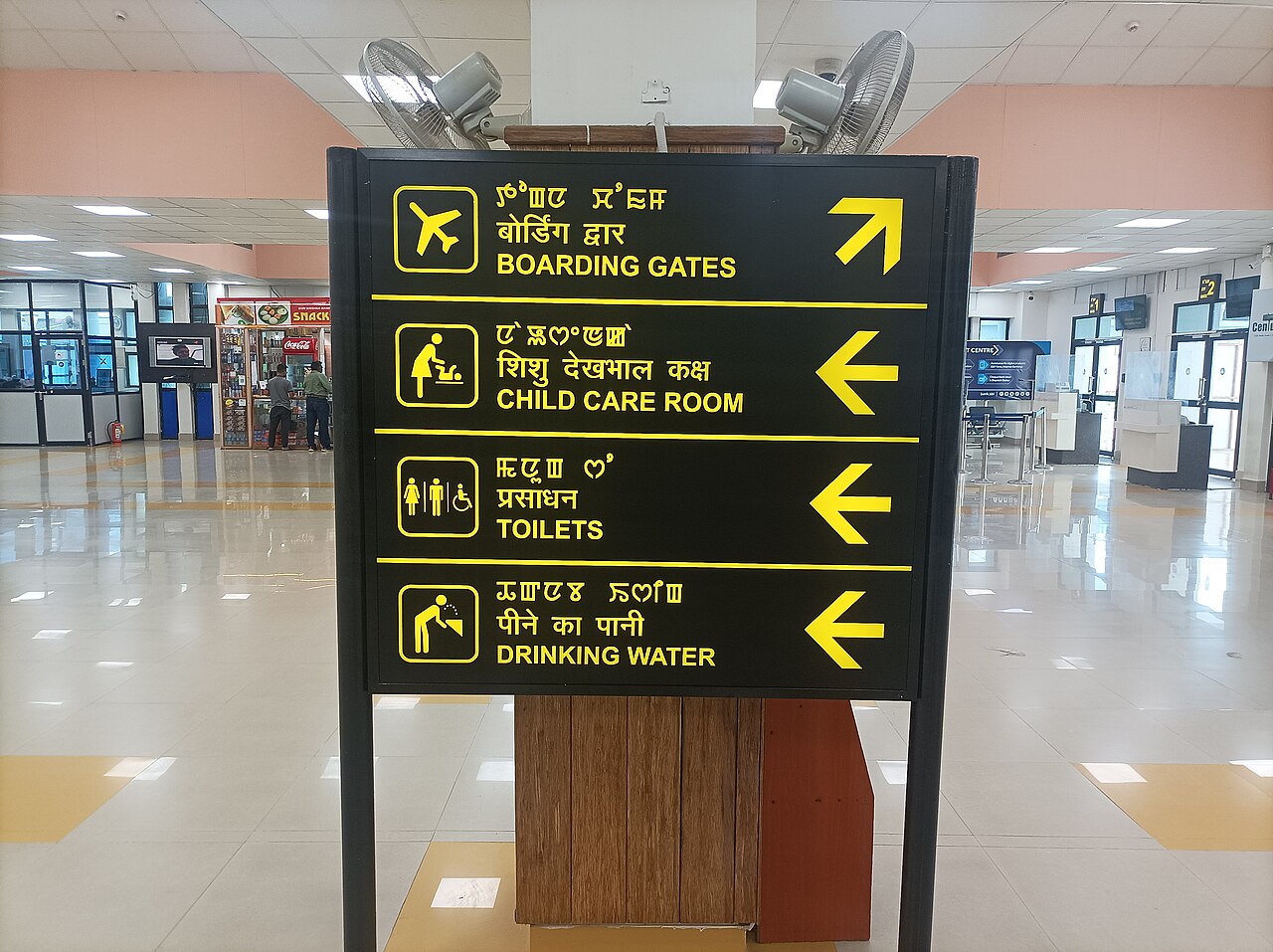
It's easy to read a language-support list as a nice-to-have rather than something that changes outcomes, so it's worth being concrete about what it actually fixes. A withdrawal stuck at midnight is stressful in any language; explaining a UTR number, a bank name mismatch, or a KYC rejection in someone's second language, at 1am, while worried about money, adds a real layer of friction that has nothing to do with the underlying problem. Being able to switch a support conversation to Tamil, Bengali, Telugu, Marathi, Kannada, Gujarati or Hindi — whichever is actually fastest for the person on the other end — routinely turns a fifteen-minute back-and-forth into a two-minute exchange, because nobody's spending half the conversation silently translating technical detail in their head before they can even answer the actual actual question being asked in the first place.
This matters unevenly across the country, which is exactly why it's handled as a genuine capability rather than a token gesture. Someone in Chennai describing a UPI failure in Tamil gets to skip straight to the actual transaction detail. Someone in Ahmedabad doing the same in Gujarati gets the same advantage. It's a small thing on a features list and a large thing at 1am with a payment stuck — which is precisely the moment this either works or it doesn't.
Getting in for the first time, wherever "here" is
For anyone reading this before they've actually registered: the process described in detail on FairPlay register is identical whichever of the nine city and state pages brought you here — a mobile number, an OTP, a password, done in roughly two minutes on a phone, with nothing to upload upfront and no documents required just to start. The only thing worth doing differently by region is checking the legal table above for wherever you actually live before that first deposit, since that's the one part of this whole picture that genuinely isn't the same nationwide. Everything downstream of registration — the odds, the wallet, the app, the support language — travels with the account the same way it would for someone in any other state, which is exactly the point: the regional detail sits around the account, never inside the mechanics of it.
And the part worth repeating
The legal position genuinely varies across India and has moved several times in recent years. This site does not tell you that betting is permitted where you are, because that depends on facts about your location that only you know and on law that changes.
Establish your own position before you deposit anything, using your own state's actual current rules rather than a headline about a different state that happened to trend that week — the two get conflated constantly in casual conversation, and conflating the two is exactly how someone ends up confidently wrong about their own actual position. Once you have, the account tools — deposit limits, loss limits and self-exclusion — are worth setting up in the same sitting, while nothing is at stake. You must be 18 or over to hold an account.